


The arrival of early spring brings a unique opportunity for those who understand the rhythm of the woods. As the ground thaws, a clear, nutrient-rich liquid begins to rise from the roots of silver trees. This seasonal gift, often called birch sap, has served as a traditional tonic for centuries across Northern Europe and Asia. Consequently, it offers a profile rich in electrolytes, antioxidants, and minerals that modern science is finally beginning to quantify. Furthermore, the physiological process within the tree ensures that the liquid is filtered and enriched with biological compounds.
This forest water flows through the xylem of the tree during a period lasting roughly three to four weeks. During this time, the tree moves nutrients stored in the roots up to the branches to support new bud growth. This process creates a slightly sweet, watery liquid that people consume fresh or fermented. In addition, it offers a profile distinct from other tree-based liquids because it contains xylitol and various amino acids. People often describe the flavor as crisp with a hint of wintergreen or sweetness. You can learn more about the science of tree biology to understand how these nutrients move within the vascular system.
Sustainable Harvesting Techniques of Birch Sap
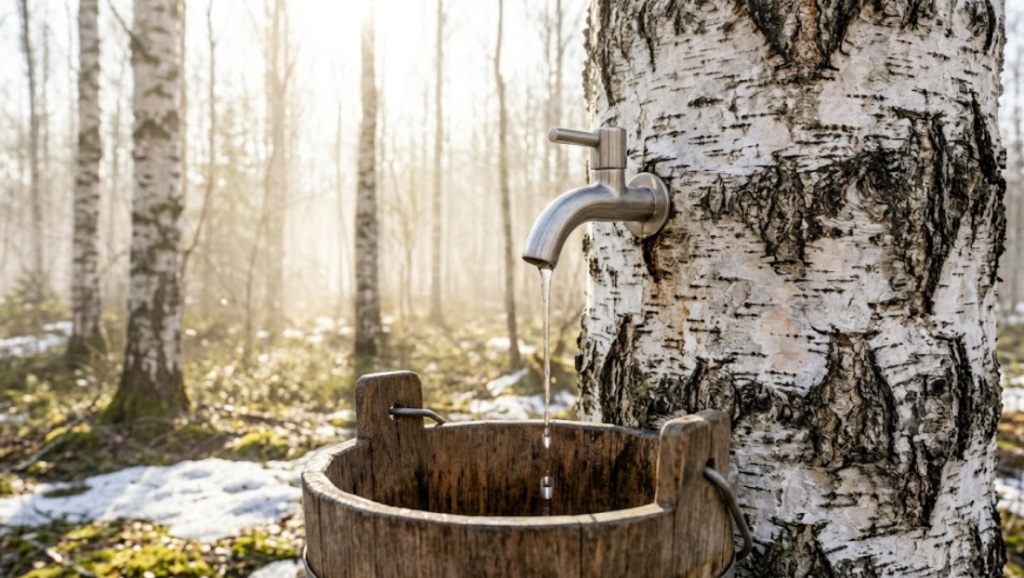
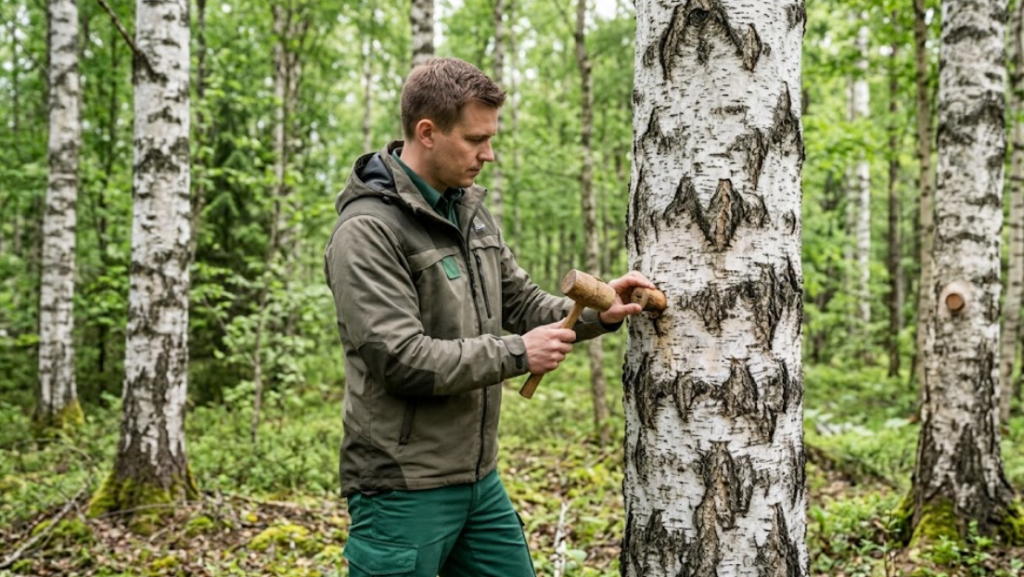
The harvesting process requires precision and respect for the ecosystem. Collectors drill a small hole into the trunk of a mature tree and insert a spout. The liquid drips into a container over several hours. Moreover, sustainability remains a priority for modern foragers. A healthy tree can produce several liters a day without suffering long term damage. Once the buds begin to open, the flavor changes and the harvest must end. This timing ensures the tree retains enough energy for its own development throughout the summer months. Professionals monitor the flow daily to determine the exact moment the chemical composition shifts from sweet to bitter.
The Nutritional Profile of Birch Sap
The chemical composition of this forest water is surprisingly complex. While mostly water, it carries a concentrated dose of manganese and magnesium. Specifically, manganese plays a vital role in bone health and the regulation of blood sugar levels. Many people replace sugary sports drinks with this natural alternative to avoid artificial additives. The presence of organic acids like malic acid provides a tart edge while assisting the body with energy production. Therefore, researchers find that the nutrient density varies based on the soil quality and the specific species of the tree.

Potassium levels in the liquid help maintain healthy fluid balance and nerve function. It also contains saponins, which are compounds known for their potential to lower cholesterol levels. Unlike maple syrup, which requires extensive boiling to concentrate sugars, this beverage is typically consumed in its raw, dilute state. As a result, this preserves the delicate enzymes and vitamins that heat might otherwise destroy. You should investigate plant-based minerals to see how they contribute to daily dietary requirements. The bio-availability of these minerals allows for rapid absorption into the bloodstream compared to synthetic supplements.
Micronutrients and Filtration
The presence of vitamin C and various B vitamins adds to the appeal of this seasonal drink. These micronutrients support the immune system during the transition from winter to spring. Because the tree filters the water through its root system, the resulting liquid is remarkably pure. It lacks the pollutants often found in surface water sources. Many health enthusiasts appreciate this level of filtration provided by nature. Additionally, the subtle sweetness comes from natural fructose and glucose, making it a low calorie option for those monitoring their sugar intake.
| Nutrient | Average Amount per 100ml | Primary Benefit |
| Manganese | 1.1 mg | Bone Health and Metabolism |
| Magnesium | 1.2 mg | Muscle and Nerve Function |
| Potassium | 12.0 mg | Fluid Balance |
| Calcium | 5.0 mg | Structural Integrity |
| Vitamin C | 1.5 mg | Immune Support |
| Phosphorus | 0.8 mg | Cell Repair |
| Iron | 0.05 mg | Oxygen Transport |
| Zinc | 0.1 mg | Immune Response |
| Calories | 3 kcal | Weight Management |
Understanding the Internal Mechanisms of Flow
To appreciate this liquid, one must understand the botany behind the flow. During the winter, the tree stores energy in the form of starch in its root system. As the ground warms, enzymes convert this starch into sugar. This sugar creates osmotic pressure, which draws water from the soil into the roots. The pressure builds until the liquid is forced upward through the xylem vessels. This phenomenon, known as root pressure, is most active when nights are cold and days are warm.
The xylem consists of specialized cells that act as a microscopic plumbing system. These cells are reinforced with lignin, allowing them to withstand high pressure. As the liquid moves upward, it picks up minerals and organic compounds stored in the wood tissues. Consequently, this enrichment process is what transforms plain groundwater into a nutrient dense beverage. The tree uses this pressure to rehydrate its canopy and prepare for the massive energy expenditure of leaf production. Once the leaves begin to transpire, the mechanism shifts from root pressure to suction.
Timing and Biological Limits
This transition marks the end of the harvest season. If a harvester continues to tap after this point, they risk dehydrating the tree. The liquid also becomes cloudy and develops a strong, unpleasant taste due to increased metabolic activity. Botanical researchers use sensors to track these pressure changes in real time. This data helps harvesters optimize their timing for maximum quality and tree safety. By respecting these biological limits, we ensure the long term viability of the forest. Scientists study xylem transport to model how trees will respond to changing environmental conditions.
Health Benefits of Drinking Birch Sap
Traditional medicine practitioners have long utilized this liquid to treat various ailments. They often recommended it as a tonic to cleanse the kidneys and liver. The diuretic properties of birch sap help the body flush out toxins and excess salt. Accordingly, this process reduces bloating and supports overall urinary tract health. Modern studies suggest that the antioxidants found in the sap protect cells from oxidative stress. This protection is crucial for preventing chronic inflammation and maintaining long term vitality.

Betulin and betulinic acid are two specific compounds found within the tree that transfer into the liquid. These substances exhibit anti inflammatory and potential anti cancer properties in laboratory settings. While more human trials are necessary, the initial data is promising for those seeking natural preventative care. Incorporating this beverage into a balanced diet provides a source of natural hydration that is far superior to plain tap water. You can find detailed reports on antioxidant research to understand how these molecules fight free radicals.
Skincare and Internal Vitality
Skin health also improves with regular consumption. The hydration provided by the mineral rich water helps maintain skin elasticity and clarity. Furthermore, some people even use the liquid topically as a toner to soothe irritation and reduce redness. The natural enzymes stimulate cell turnover, leading to a brighter complexion. By supporting the internal organs responsible for filtration, the sap indirectly promotes clearer skin from the inside out. This holistic approach to beauty remains a staple in Northern European skincare routines. Dermatologists note that the amino acids help rebuild the skin barrier against environmental stressors.
Diverse Culinary Applications for Foragers
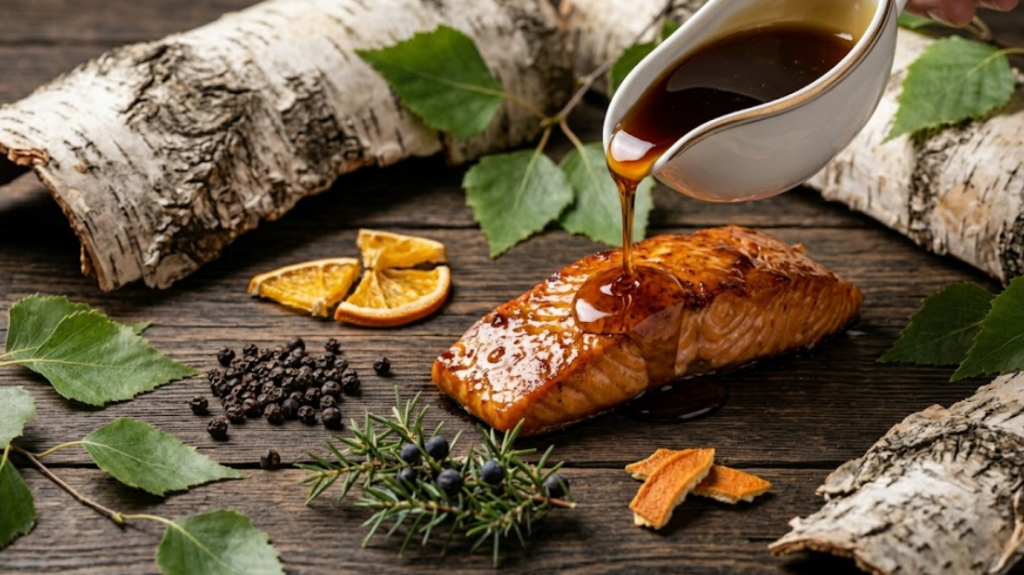
Beyond drinking it fresh, chefs find various ways to incorporate this ingredient into modern cuisine. One popular method involves reducing the liquid through evaporation to create a thick syrup. This syrup has a savory, almost balsamic quality compared to the intense sweetness of maple. It pairs exceptionally well with roasted vegetables, salmon, or game meats. The complex sugars caramelize beautifully, providing a deep glaze that enhances the natural flavors of the food. In fact, many high end restaurants now feature these tree syrups as seasonal delicacies.
Fermentation offers another avenue for culinary exploration. By adding specific yeast strains, producers create a sparkling wine or beer. The natural sugars provide enough fuel for the fermentation process, resulting in a dry and effervescent beverage. Some cultures produce a traditional vinegar from the sap, which adds a light acidity to salads and marinades. Exploring fermentation techniques reveals how microorganisms transform simple plant liquids into complex flavor profiles. This versatility makes the product a favorite among experimental home cooks.
Preservation and Cold Storage
In pastry shops, the liquid serves as a base for sorbets and granitas. Its light profile allows the flavor of added fruits to shine without overwhelming the palate. Similarly, some bakers use it instead of water in bread recipes to add a subtle mineral depth to the crust. Because it is highly seasonal, many people freeze the liquid in ice cube trays to use throughout the year. These cubes add a refreshing touch to cocktails or iced teas during the summer months. Therefore, the ability to preserve the essence of spring allows for creative cooking regardless of the calendar.
Environmental Factors and Seasonal Yields
The quality of the harvest is never the same from year to year. Soil moisture levels from the previous autumn determine how much water the tree can store. For instance, a dry autumn often leads to a lower yield in the spring. Similarly, the severity of the winter affects the starch conversion process. A deep freeze followed by a sudden thaw creates the ideal pressure conditions for a strong flow. Harvesters often keep detailed logs of weather patterns to predict the success of the coming season.
The species of the tree also matters significantly. While many species of the Betula genus produce liquid, the Silver Birch and Downy Birch are the most common sources. The Silver Birch typically produces a sweeter liquid with a higher mineral concentration. Soil pH and mineral content directly influence the taste and nutritional profile of the sap. Trees growing in limestone-rich soil may have higher calcium levels, while those in acidic soil might have more manganese. Consequently, this terroir is as important to the producer as it is to a winemaker.
Purity and Pollution Management
Environmental pollutants can also affect the harvest. Because trees are bio-accumulators, they can pull heavy metals from contaminated soil. For this reason, professional harvesters avoid areas near industrial sites or heavily salted roads. They conduct regular testing to ensure the liquid meets safety standards for human consumption. This commitment to purity is what makes the product so sought after in the wellness industry. Protecting the land from pollution is essential for maintaining the integrity of this natural resource. Observing environmental protection standards ensures that our forests remain a clean source of nutrition.
The Cultural Heritage of Tapping Traditions
The history of collecting tree liquids stretches back to the Viking Age and beyond. In countries like Latvia, Estonia, and Russia, the arrival of the sap is a celebrated cultural event. It symbolizes the end of winter and the rebirth of the land. Families often gather in the woods to share the first glass of the season. This connection to the land fosters a deep appreciation for the cycles of nature. Historically, these traditions have survived through centuries, passing down from one generation to the next.
In some regions, the liquid was traditionally used to wash hair, as the minerals were believed to strengthen the follicles. Others used it to brew tonics for livestock to ensure their health after a long, cold winter. The cultural significance goes beyond mere nutrition; it is a ritual of spring. Many folklore stories involve the healing powers of the “blood of the tree.” Learning about European folk traditions provides context for why these practices remain so ingrained in modern society. Indeed, this heritage adds a layer of depth to every bottle sold today.
Modern Revival and Education
Today, this heritage is experiencing a revival in urban centers. People seeking a connection to nature are rediscovering these old ways. Workshops on tree identification and tapping are becoming increasingly popular. This movement reflects a broader trend toward foraging and self sufficiency. By embracing these traditional skills, people gain a better understanding of their local environment. The simple act of tapping a tree connects a person to the ancient history of human survival and adaptation. In short, it encourages a slower pace of life that respects the timing of the seasons.
Transitioning to Commercial Scale Production
Moving from a traditional hobby to a commercial scale requires advanced technology. Modern producers use vacuum pump systems to increase yield without harming the tree structure. These systems pull the liquid through closed lines, reducing the risk of bacterial growth and oxidation. This technology allows for the collection of thousands of liters during the peak season. Once collected, the liquid undergoes cold filtration or flash pasteurization to extend its shelf life. These methods ensure that the bioactive compounds remain intact for the consumer.
Logistics and Market Dynamics
Packaging also plays a vital role in maintaining product quality. Glass bottles or BPA-free cartons prevent chemical leaching and protect the delicate flavor profile. Some companies use nitrogen flushing to remove oxygen from the headspace of the bottle, preventing spoilage. These industrial standards allow people living far from the forest to enjoy the benefits of this seasonal tonic. However, the energy cost of transportation must be weighed against the nutritional benefits. Local sourcing remains the most environmentally friendly option for those living in temperate climates.
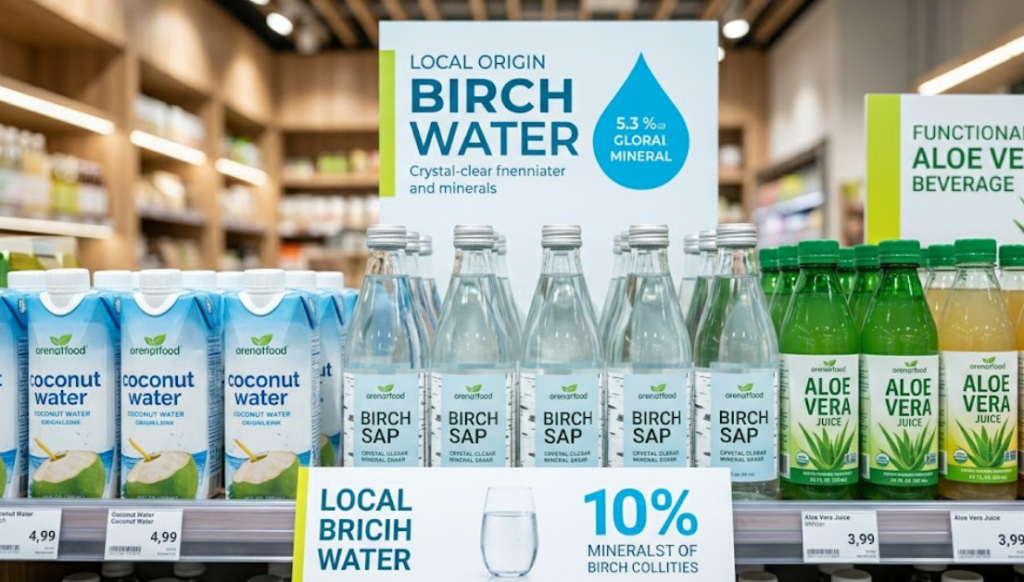
The market for alternative waters is expanding rapidly as consumers look for functional beverages. Modern birch sap competes with coconut water and aloe vera juice for shelf space in health food stores. Its lower sugar content and local availability in the Northern Hemisphere give it a competitive edge. Marketing efforts often highlight the purity of the source and the traditional harvesting methods. This combination of ancient wisdom and modern logistics creates a viable industry that supports rural economies. Understanding market trends in beverages helps predict the future growth of this forest product.
Sustainability and Ethics in the Woods
As the popularity of forest products grows, the need for ethical harvesting becomes paramount. Large scale commercial operations must balance profit with forest health. Over tapping a single tree can lead to fungal infections or stunted growth. Responsible harvesters follow strict guidelines regarding tree diameter and the number of taps per trunk. They use food grade equipment to prevent contamination and ensure the purity of the final product. Ultimately, protecting the forest ecosystem ensures that future generations can continue this ancient tradition.
Biodiversity plays a critical role in the quality of the harvest. Trees growing in diverse, old growth forests often produce sap with a more complex mineral profile than those in monoculture plantations. The relationship between the tree and the surrounding soil microbes influences the nutrient content. Supporting small scale, local producers often leads to better environmental outcomes. You might want to read about sustainable forestry management to see how integrated practices protect our natural resources. These efforts help maintain the delicate balance required for a healthy timberland.
Adapting to Climate Change
Climate change poses a significant threat to the consistency of the harvest. Shifting weather patterns can cause the sap to flow earlier or for shorter durations. Unpredictable freezes and thaws stress the trees and can reduce the overall yield. Harvesters must adapt by monitoring local weather data more closely than ever before. This environmental sensitivity reminds consumers of the direct connection between the health of the planet and the food we consume. Choosing products from certified sustainable sources helps mitigate some of these ecological pressures.
Future Prospects for Botanical Wellness of Birch Sap
The interest in plant-based nutrition shows no signs of slowing down. Researchers are currently investigating the potential for using this liquid in medical applications. Some preliminary studies explore its use as a carrier for medication due to its high bio-compatibility. Others are looking at the waste products of the industry, such as the bark and leaves, to create a circular economy. The goal is to utilize every part of the tree without compromising its health. This integrated approach represents the future of sustainable agriculture.
Technological advancements may soon allow for even more efficient harvesting. Sensors attached to the trees could alert foragers via mobile apps when the flow begins. Automated collection systems could reduce the labor costs associated with manual harvesting. However, many enthusiasts argue that the human connection to the forest is a vital part of the tradition. Balancing technology with tradition will be the primary challenge for the next generation of producers. The demand for transparency in the food chain also favors small, local operations.
Ecological Value and Conservation
As urban populations continue to grow, the forest becomes a place of physical and mental refuge. Pure birch sap serves as a bridge between city life and the natural world. It reminds us of the intricate systems that support life on Earth. By choosing forest-derived products, we support the protection of wild spaces. This economic incentive for forest conservation is a powerful tool in the fight against deforestation. The future of the planet depends on our ability to value living forests more than cleared land. Exploring conservation strategies highlights the importance of sustainable economic models.
A Refreshing Look at Nature’s Bounty
The journey from the roots of a tree to a glass on your table is a testament to the elegance of the natural world. Drinking birch sap provides a unique combination of hydration, nutrition, and cultural history. Whether you drink it for the manganese content or the crisp taste, you are participating in a seasonal cycle that is millions of years old. As we move toward a more sustainable future, these natural alternatives to processed drinks become more valuable. Embracing the gifts of the forest allows us to nourish our bodies while respecting the environment.
Understanding the complexity of forest systems helps us appreciate the resources we often take for granted. Fresh birch sap is not just a drink; it is a biological miracle that occurs in the silence of the woods. By choosing to support ethical harvesters, you contribute to the preservation of these vital ecosystems. The future of natural health lies in our ability to look backward at traditional knowledge while applying modern scientific rigor. This balanced approach ensures that we can enjoy the purity of the forest for years to come.
Final Thoughts on Forest Wellness
As you integrate this beverage into your lifestyle, consider the story behind each drop. The trees stand as silent sentinels, filtering rain and drawing up minerals to create this elixir. The connection between human health and forest health is inseparable. By valuing the birch sap, we value the very lungs of our planet. This awareness leads to a more conscious way of living and consuming. Nature offers everything we need if we only learn how to listen and harvest with care.
A regular glass of birch sap can be a transformative addition to a spring wellness routine. Many find that the subtle energy boost provided by the minerals helps combat seasonal fatigue. Because it is a raw product, it retains the vitality of the tree in its most natural form. As the market for this liquid grows, it is essential to maintain high quality standards. Producers who prioritize the health of the tree over high volume yields will lead the way in sustainable nutrition.

Finally, the simple act of tasting birch sap connects us to a larger ecological narrative. It is a reminder that the earth provides for our needs in ways that are both functional and beautiful. As we rediscover these ancient foods, we gain a renewed sense of responsibility for the land. Every bottle of birch sap represents a commitment to preserving the wild forests that produce it. This cycle of care and consumption is the foundation of a truly sustainable future for both humanity and the natural world. Integrating birch sap into your diet is a small but meaningful step toward environmental harmony.