
Coffee is far more than just a morning caffeine fix; it is a global ritual, a complex agricultural product, and for many, a lifelong passion. From the high-altitude mountains of Ethiopia to the sun-drenched plantations of Brazil, every bean tells a story of its soil, its farmer, and its journey to your cup. Whether you are a casual drinker or a budding connoisseur, understanding the nuances of coffee can transform your daily brew into an extraordinary experience.
In this article, we will peel back the layers of the coffee industry, exploring the fundamental differences between bean types, the unique flavor profiles of major coffee-growing regions, and the art of the perfect blend.
Which One is Better? Arabica vs. Robusta
Understanding the Beans That Fuel the World
When you step into a specialty coffee shop or browse the aisles of a supermarket, you will often see labels boasting “100% Arabica.” But what does this actually mean? The coffee market is dominated by two main species of the Coffea plant: Arabica and Robusta. Understanding the difference between these two is the first step in refining your palate.
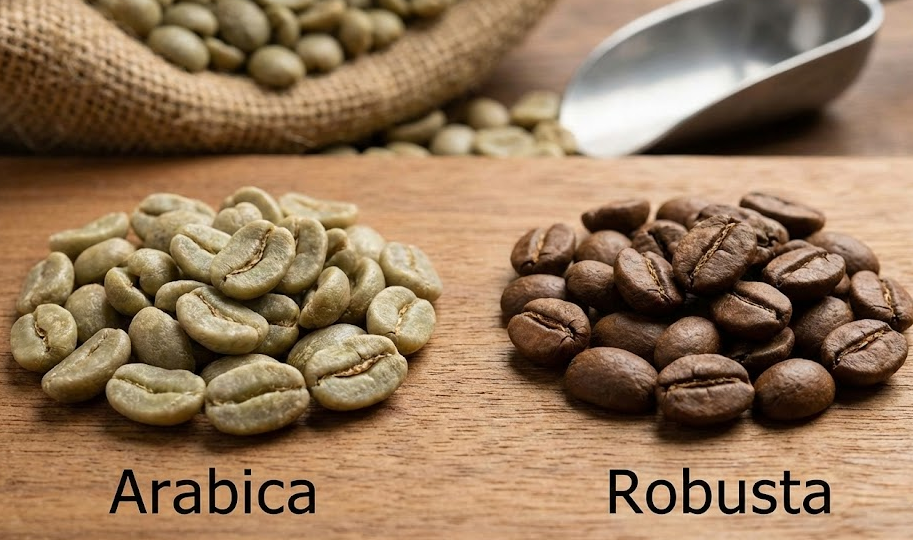
Arabica is widely considered the superior bean in the specialty coffee world. Grown at higher altitudes, these beans are harder to cultivate and more susceptible to pests, which often makes them more expensive. However, the payoff is in the cup: Arabica beans are known for their complex acidity, sweetness, and a vast range of flavors—from floral and fruity to nutty and chocolatey.
Robusta, on the other hand, is a hardier plant that grows at lower altitudes. As the name suggests, it is robust and disease-resistant. Robusta beans generally contain nearly double the caffeine of Arabica, but they often lack the nuanced flavor profiles. They tend to taste earthier, more bitter, and sometimes rubbery. While often used in instant coffee or lower-quality blends, high-quality Robusta is finding a resurgence in the espresso world for the rich crema and body it provides.
While often relegated to instant coffee, high-quality Robusta is finding a resurgence in the espresso world for the rich crema and body it provides. If you are curious about the finer details of caffeine content and cultivation, reading up on the specific nuances of Arabica vs. Robusta can help you better identify which species suits your morning routine.
How does the processing method alter the taste? From Cherry to Bean
How Fermentation and Drying Shape Flavor?
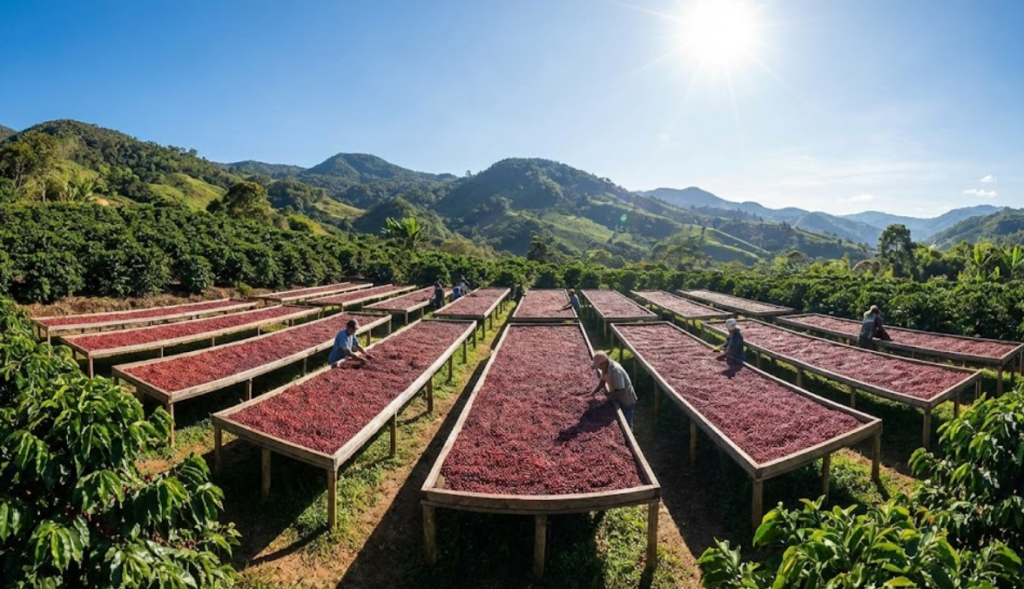
Before coffee becomes the brown bean we recognize, it is the seed of a cherry. How that seed is removed from the fruit—a stage called processing—drastically affects the final taste.
- Washed Process: The fruit is stripped off immediately, and the beans are fermented in water. This results in a “clean” cup with bright acidity, allowing the origin’s character to shine.
- Natural Process: The coffee cherry is dried whole with the seed inside. This imparts heavy body and intense fruitiness, often tasting like berries or wine.
- The Honey Process is a hybrid technique popular in Costa Rica and Central America. The skin is removed, but some of the sticky fruit flesh (mucilage) is left on the bean while it dries. A deeper look into what is honey processed coffee reveals how this method bridges the gap, creating a cup that balances the heavy sweetness of a natural with the crisp clarity of a washed coffee.
Why Does Most of the World Drink Brazilian Coffee?
Nutty, Chocolatey, and Low-Acid Comfort
When discussing coffee origins, we must start with the titan: Brazil. Brazil produces roughly a third of the world’s coffee supply. Its influence is so massive that a frost in Brazil can cause the price of a latte in New York or London to rise. But beyond volume, Brazilian coffee has a distinct and beloved flavor profile.
Unlike the mountainous regions of other countries, much of Brazil’s coffee grows on massive, flat plateaus. This geography allows for mechanical harvesting and large-scale farming. Because the coffee grows at slightly lower altitudes than in Central America or East Africa, the beans tend to have lower acidity.
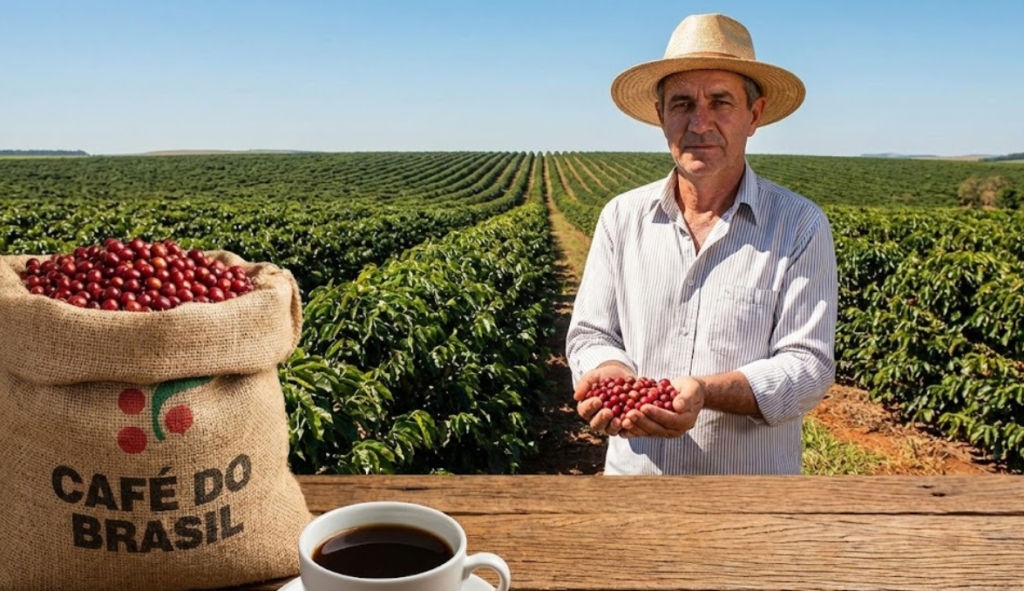
A classic Brazilian coffee is the ultimate comfort brew, celebrated for its heavy body and sweet, nutty notes. Expect flavors of milk chocolate, caramel, hazelnuts, and toasted bread. Because of this low-acid, high-sweetness profile, Brazilian beans are the foundation of almost every espresso blend in the world. To truly understand the depth of this origin, exploring a detailed guide to gourmet Brazilian coffee can help you navigate the specific characteristics of regions like Cerrado and Minas Gerais that produce these reliable, “bass note” beans.
Ethiopian Coffee: The Birthplace of the Bean
Floral Aromas and Complex Fruitiness
If Brazil is the powerhouse, Ethiopia is the queen. Legend has it that coffee was discovered here by a goat herder named Kaldi, whose goats became energetic after eating the red cherries. Biologically, Ethiopia is the birthplace of the Arabica plant. While other countries might have a handful of coffee plant varieties, Ethiopia has thousands of wild “heirloom” varieties growing in its forests.
Ethiopian coffee is unique because it offers a flavor diversity that can be shocking to new drinkers. The coffee here is generally divided by growing regions, with the most famous being Sidamo, Yirgacheffe, and Harrar. The cultural significance of these regions is a topic frequently explored by hubs like Sprudge, which dives deep into the history behind the bean.
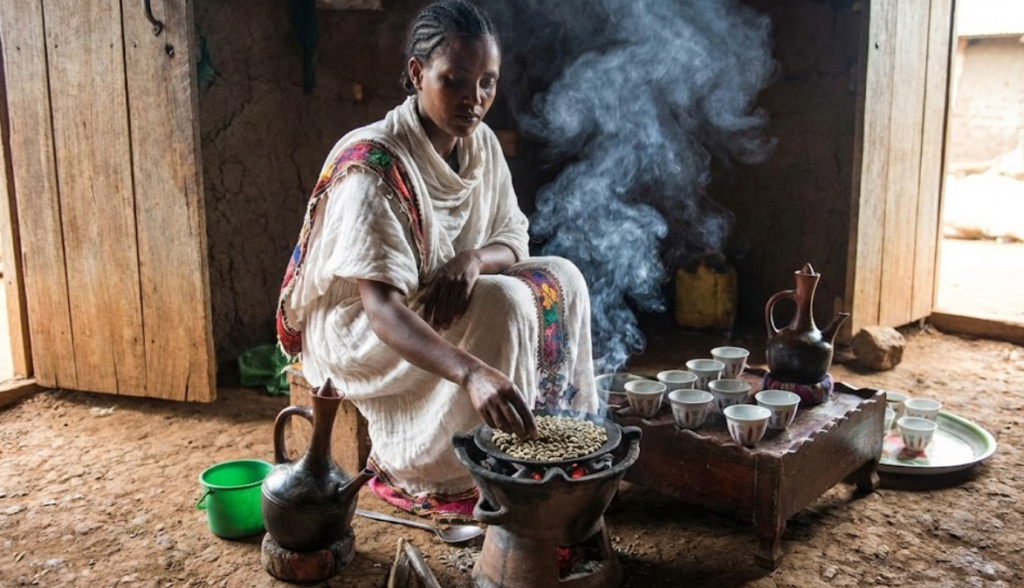
Washed Ethiopian coffees (often from Yirgacheffe) are incredibly elegant. They are tea-like, light in body, and perfumed with aromas of jasmine, lemongrass, and citrus. They are delicate and refreshing. Natural Ethiopian coffees, on the other hand, are famous for being “fruit bombs.” They possess an aggressive, syrupy sweetness with distinct notes of blueberry, strawberry, and peach. For many people, their “ah-ha!” moment—the cup of coffee that made them realize coffee could taste like fruit—was an Ethiopian roast.
Colombian Coffee: The Balanced Classic
Sweet, Smooth, and Universally Loved
Colombia has done a magnificent job marketing its coffee to the world (thanks to the fictional character Juan Valdez), but the reputation is well-earned. Colombia’s unique geography, with three branches of the Andes mountains, creates diverse microclimates perfect for growing Arabica.
Colombian coffee is the gold standard for a “balanced” cup. It typically features a medium body, a pleasant citrusy acidity, and rich sweetness reminiscent of caramel or raw sugar (panela). It is a coffee that is complex enough for connoisseurs but accessible enough for everyday drinkers.
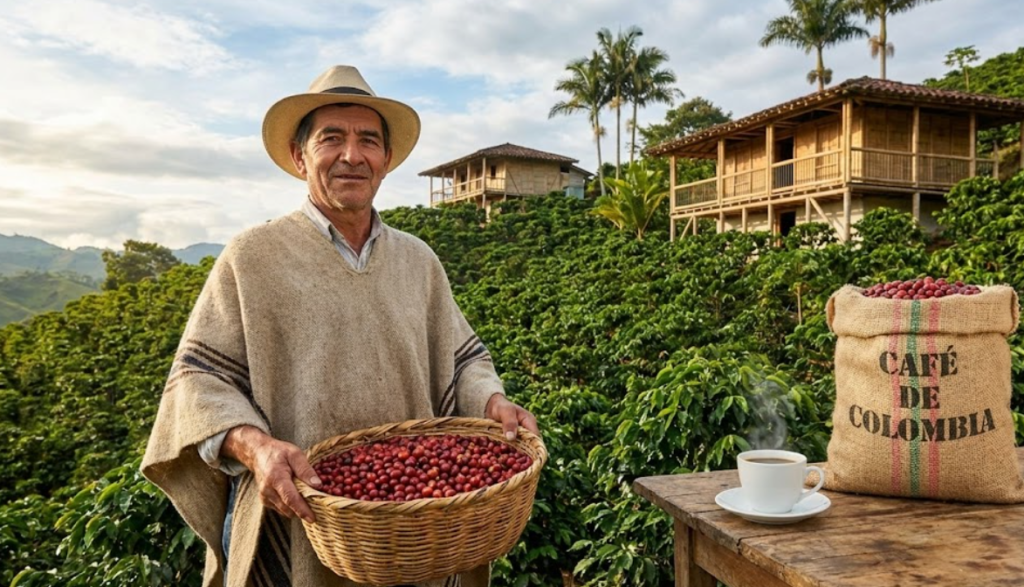
Because of Colombia’s proximity to the equator and its varied topography, the country enjoys two harvest seasons, meaning fresh Colombian coffee is available nearly year-round. This reliability makes it a staple in the specialty community, but to experience the cup as intended, learning the best brew methods for Colombian coffee ensures you perfectly extract those delicate citrus and caramel notes.
Why is Ecuadorian Coffee Considered a Hidden Gem?
Diverse Flavors from the Equator
While its neighbor Colombia gets the spotlight, Ecuador is a fascinating, albeit smaller, player in the specialty market. What makes Ecuador unique is its biodiversity; coffee here grows in the Andes, the Amazon, and even the Galápagos Islands.
Because of this ecological diversity, Ecuadorian coffee profiles vary wildly. You might find a bright, acidic coffee from the high Andes that rivals the best Kenyans, or a heavier, sweeter coffee from the Loja region. It is a destination for adventurous coffee lovers looking to try something different.
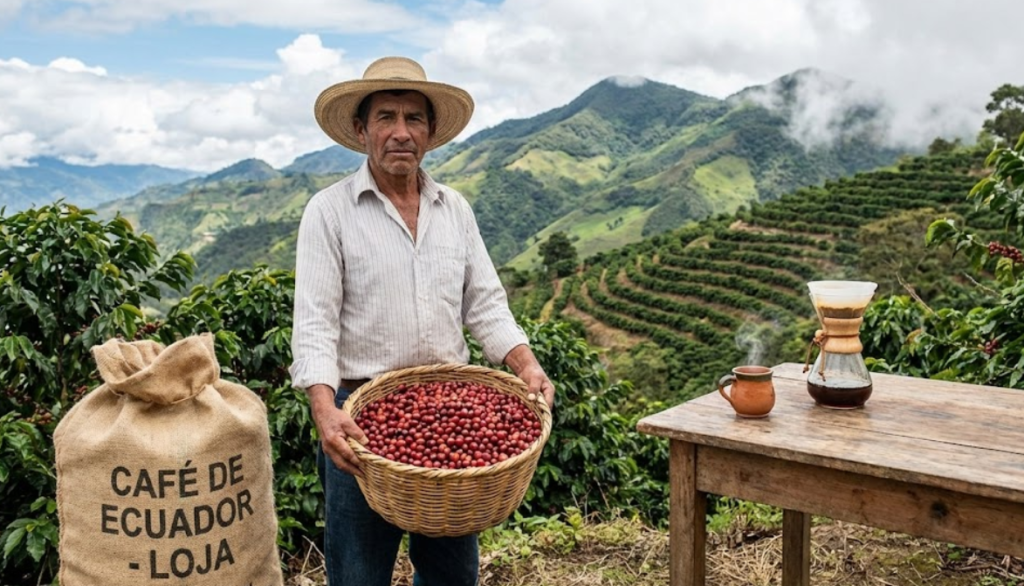
Ecuador is a destination for the adventurous drinker who wants to try something rare. To truly appreciate the terroir and the stories behind these farms, reading a dedicated journal on Ecuador coffee offers a fascinating glimpse into what makes this origin unique and why it is becoming so sought after.
Notable Blends and Other Origins
Crafting Harmony in a Cup
While “Single Origin” (coffee from one specific place) is trendy, the art of the coffee blend should not be overlooked. A skilled roaster creates a blend to achieve a specific flavor profile that a single component cannot offer alone.
- The Breakfast Blend: Usually a mix of bright, high-acidity beans (like Central American) and smooth, sweet beans (like South American) to wake up the palate.
- The Espresso Blend: Often combines a heavy-bodied Brazilian bean with a touch of high-quality Robusta or a complex Ethiopian bean to create a shot that cuts through milk.
- The Mocha-Java: The world’s oldest blend, combining the earthy, spicy depth of Indonesian Java coffee with the fruity brightness of Yemen Mocha (or Ethiopian) beans.
If you are interested in the roasting process behind these combinations, understanding how coffee blends and flavor profiles work in harmony offers great insights into the craft of balancing distinct origins to create a unified taste.
Single Origin vs. Blends: Which is Better?
Choosing the Right Coffee for Your Taste
The debate between single-origin and blends is common, but the answer depends entirely on your preference and brew method.
Choose Single Origin if:
- You drink your coffee black (pour-over, drip, or AeroPress).
- You want to “taste the terroir”—to understand how the soil and climate of Ethiopia differ from Guatemala.
- You enjoy distinct, sometimes wild flavors like berries, flowers, or spices.
Choose a Blend if:
- You drink coffee with milk and sugar (lattes, cappuccinos).
- You want consistency; you want your morning cup to taste the same year-round.
- You prefer a rounded, classic coffee profile (chocolate, nuts, caramel) without extreme acidity.
For gear reviews to help you brew either type, Coffee Geek is a legendary resource in the community.
Additionally, for those looking to improve their barista skills at home to get the best out of these beans, Barista Hustle provides advanced coffee education.
Conclusion
Embarking on Your Coffee Journey
The world of coffee is vast, inviting, and endlessly delicious. Whether you find yourself drawn to the bright, floral notes of a washed Ethiopian Yirgacheffe or the comforting, chocolatey embrace of a dark roast Brazilian blend, there is no “wrong” way to enjoy coffee. The key is experimentation.
Don’t be afraid to ask your local barista what they are brewing, or to buy a bag of beans from a country you have never heard of. Pay attention to the roast date, grind your beans fresh if you can, and take a moment to savor the aroma. For a final dose of inspiration and a look at global coffee culture, Drift Magazine offers beautiful storytelling about coffee scenes around the world.