


Growing a vibrant garden requires more than just water and sunlight. I discovered years ago that the secret to a thriving harvest lies in the relationships between different species. By placing specific crops together, you create a miniature ecosystem that manages itself. This strategy reduces the need for chemicals and improves the health of your soil. My journey into companion planting for organic pest control began when I realized that my tomatoes grew larger when nestled next to aromatic herbs. This practice involves a deep understanding of botanical synergy and the ecological niches each plant occupies. When you move away from monoculture, you invite a complex web of life into your backyard. Every leaf and bloom contributes to a defensive perimeter against invasive insects.
Achieving a productive yield depends on your ability to observe these natural interactions. You must learn to recognize which species thrive in close proximity and which ones compete for resources. This requires patience and a willingness to experiment with various layouts. I spent many seasons documenting the success of different pairings in my personal garden journal. This meticulous approach allowed me to identify the most effective combinations for my specific climate. By prioritizing biological diversity, you create a resilient environment that can withstand environmental stressors. The integration of various plant heights, root structures, and flowering times creates a multi layered defense system. This holistic methodology is the cornerstone of sustainable horticulture.
The Fundamental Principles of Symbiotic Gardening
Successful gardeners understand that plants are social organisms. Some species provide shade, while others fix nitrogen in the ground. When you implement companion planting for organic pest control, you essentially hire nature to do the heavy lifting. I always start by mapping out my garden beds to ensure tall sunflowers act as natural trellises for climbing pole beans which naturally seek vertical support. This spatial awareness prevents overcrowding and ensures every seedling receives adequate nutrients.
You should prioritize diversity over monoculture to confuse hungry insects. This method relies on the concept of disruptive crop masking. Pests that find their hosts by sight or smell become disoriented when their targets are hidden among a variety of textures and scents.
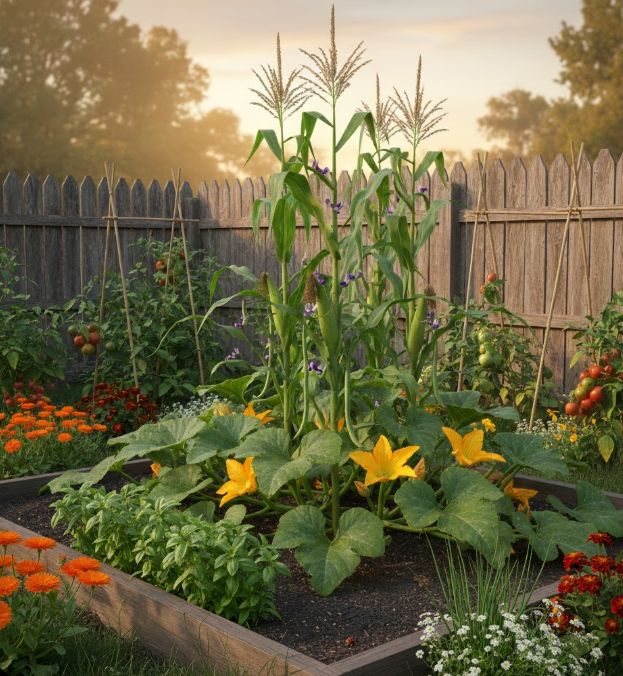
I once struggled with heavy infestations in my brassicas until I integrated diverse layers of vegetation. The key is to think in three dimensions. Consider the root depth, the foliage height, and the flowering schedule. Short-lived crops can fill the gaps between slower-growing varieties. This maximizes the use of light and prevents the soil from remaining bare. Bare soil is an invitation for weeds and moisture loss.
By covering every inch with beneficial pairings, you create a living mulch. This holistic approach to companion planting for organic pest control transforms a simple vegetable patch into a self-regulating biome. You will notice that the overall vigor of the garden increases as these biological connections strengthen over time.
Attracting Biological Control Agents through Floral Diversity
Flowers are the unsung heroes of a productive vegetable patch. I dedicate significant space to calendula and marigolds because their scent deters nematodes. These blooms also attract hoverflies and ladybugs, which are voracious predators of aphids. Including companion planting for organic pest control means you stop viewing flowers as purely decorative. Sweet alyssum provides a carpet of nectar that keeps parasitic wasps nearby to guard your cabbage. These tiny warriors provide a permanent defense system that outperforms any bottled spray. I have watched ladybugs clear an entire colony of aphids in a single afternoon.
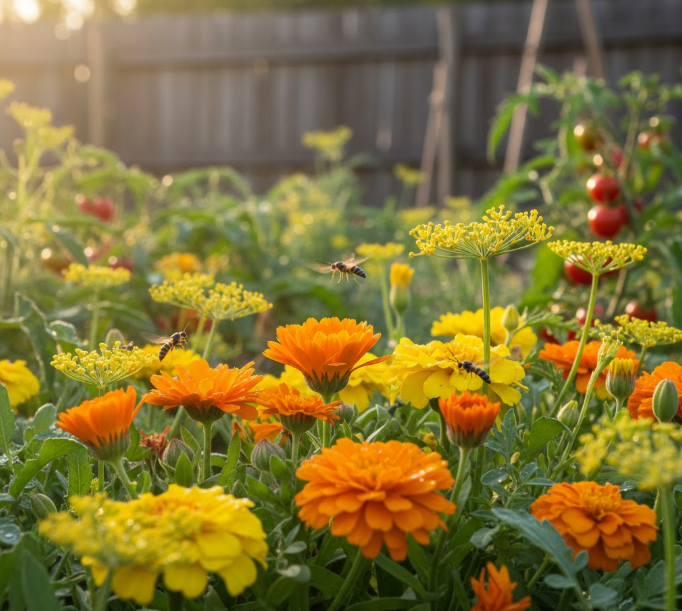
The architecture of the flower matters as much as the nectar it produces. Umbelliferous plants like dill and fennel have flat, landing-pad shapes that are perfect for small predatory insects. These insects need easy access to food to sustain their energy while they hunt for garden pests. When you utilize companion planting for organic pest control, you are building a habitat for your allies.
Avoid the urge to tidy up every spent bloom immediately. Some beneficial insects lay their eggs in the drying stalks or seed heads. By maintaining a slightly wilder aesthetic, you ensure that the next generation of protectors remains on site. This cycle of life is the backbone of a truly organic garden.
Managing Soil Health and Rhizosphere Interactions with Nitrogen Fixers
Healthy plants resist disease better than stressed ones. I rely on legumes to naturally fertilize my heavy feeders. Peas and beans pull nitrogen from the air and store it in their roots. When you practice companion planting for organic pest control, you pair these legumes with corn or leafy greens. This partnership ensures your soil stays rich without synthetic additives. I often rotate my crops to ensure the benefits of these nitrogen fixers spread across the entire garden over several seasons. The subterranean world is just as active as the one above ground. Roots interact through fungal networks called mycorrhizae.
These networks allow plants to share resources and even send chemical signals about impending pest attacks. When a bean plant is attacked, it can release compounds that warn its neighbors to ramp up their own chemical defenses. This is why companion planting for organic pest control is a sophisticated biological strategy. You are not just placing plants next to each other; you are facilitating a communication network. I always leave the roots of my pea plants in the ground after the harvest. As they decompose, they release the stored nitrogen back into the earth for the next crop. This sustainable cycle reduces the need for external fertilizers and keeps the soil structure intact.
Deterring Pests and Building Systemic Resistance with Aromatic Herbs
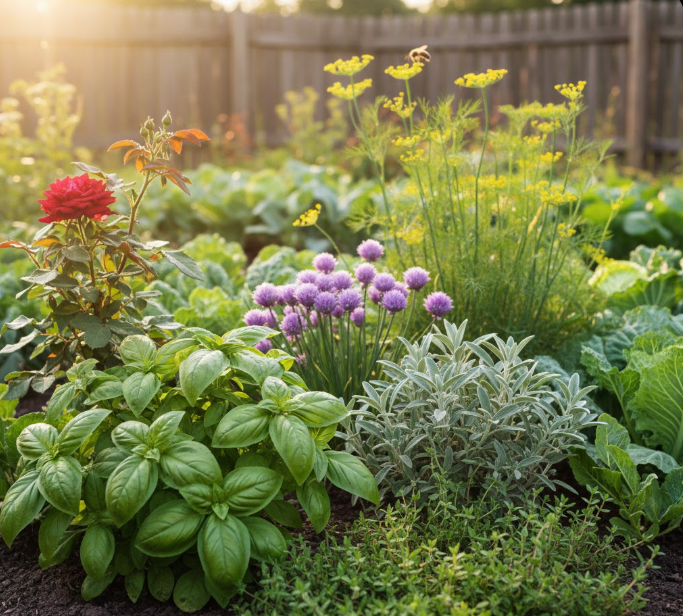
Scent is a powerful tool in the gardener’s arsenal. I plant pungent herbs like basil, mint, and rosemary near my most vulnerable vegetables. The strong oils in these plants mask the smell of the host crops, making it harder for pests to find their targets. Utilizing companion planting for organic pest control involves strategic placement of culinary herbs for pest management to protect your lettuce from slugs. Sage acts as a fantastic deterrent for cabbage moths, while chives help keep aphids away from rose bushes. The volatile organic compounds released by these herbs act as a natural repellent.
I once had a massive problem with carrot rust flies until I surrounded my carrot rows with leeks and onions. The flies are so confused by the onion scent that they cannot locate the carrots to lay their eggs. This simple application of companion planting for organic pest control saved my entire winter harvest.
Furthermore, many of these herbs have antifungal properties. Thyme and oregano can help suppress soil-borne pathogens when planted as a ground cover. They also attract honeybees and bumblebees, which ensures that your fruiting crops like zucchini and peppers are thoroughly pollinated. It is a multi-functional approach that rewards the gardener with both protection and flavor.
Implementing Integrated Pest Management (IPM) with Trap Crops
Sometimes, the best defense is a strategic sacrifice. I use trap crops to lure insects away from my primary harvest. Nasturtiums are excellent for this purpose because aphids find them irresistible. By incorporating companion planting for organic pest control, you can isolate pests on one sacrificial plant. Once the nasturtiums are covered in bugs, you can remove them or let the ladybugs finish the job.
This method keeps your main vegetable crops clean and marketable without using toxins. It requires a bit of emotional detachment to watch one plant get eaten, but the reward is a pristine harvest elsewhere.
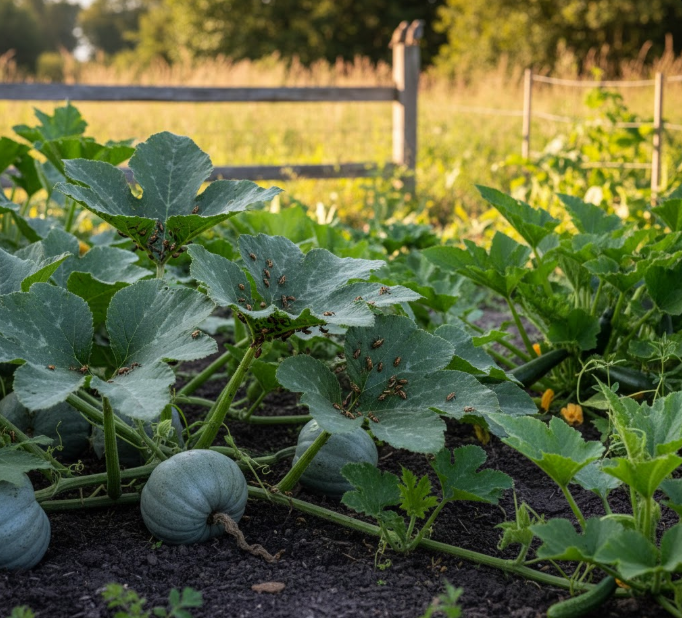
Blue Hubbard squash is another legendary trap crop. It is so attractive to cucumber beetles and squash bugs that they will bypass your summer zucchini entirely to feast on it. When you implement companion planting for organic pest control, you use these preferences to your advantage. You can concentrate the pests in one area, making it much easier to manage them manually or through biological controls.
This tactical positioning is a hallmark of an advanced organic strategy. I have used mustard greens to lure flea beetles away from my delicate kale seedlings with great success. By the time the beetles realize the mustard is gone, the kale is strong enough to withstand minor nibbles.
Optimizing Garden Space With the Three Sisters Method
Ancient techniques often provide the most reliable results. The Three Sisters method involves planting corn, beans, and squash together in a single mound. This classic example of companion planting for organic pest control creates a self-sustaining system. The corn provides a structure for the beans, the beans add nitrogen, and the large squash leaves shade the soil to suppress weeds.
I find this arrangement particularly effective for maximizing yield in smaller backyard plots. The prickly vines of the squash also act as a physical deterrent to small mammals like raccoons that might want to snack on the ripening corn.

This method teaches us the importance of structural compatibility. The corn must be tall enough before the beans start to climb, or the beans will pull the young corn stalks down. Timing is everything in companion planting for organic pest control. When these three crops grow in harmony, they create a dense canopy that maintains soil moisture during the hottest parts of the summer. This reduces the stress on the plants and makes them less susceptible to opportunistic pests.
I have adapted this method to include mammoth sunflowers in place of corn for a more floral aesthetic. The principle remains the same: use the strengths of one plant to offset the weaknesses of another.
Enhancing Flavor and Growth through Proximity
Proximity affects more than just pest resistance; it changes the quality of the produce. I have noticed that my strawberries taste sweeter when they grow near spinach or borage. Engaging in companion planting for organic pest control often yields these delightful secondary benefits. Certain root exudates from one plant can actually stimulate the growth of another. For instance, carrots and onions are a match made in heaven because the onions deter carrot flies, while the carrots loosen the soil for the onions. This physical interaction below the surface is just as vital as the pest-deterring scents above.
I once experimented with planting borage next to my tomatoes. Not only did the borage deter tomato hornworms, but the tomatoes themselves seemed to grow more vigorously. This is likely due to the deep taproot of the borage, which brings up minerals from deep in the subsoil that the shallower tomato roots cannot reach. When you explore companion planting for organic pest control, you find these hidden layers of cooperation.
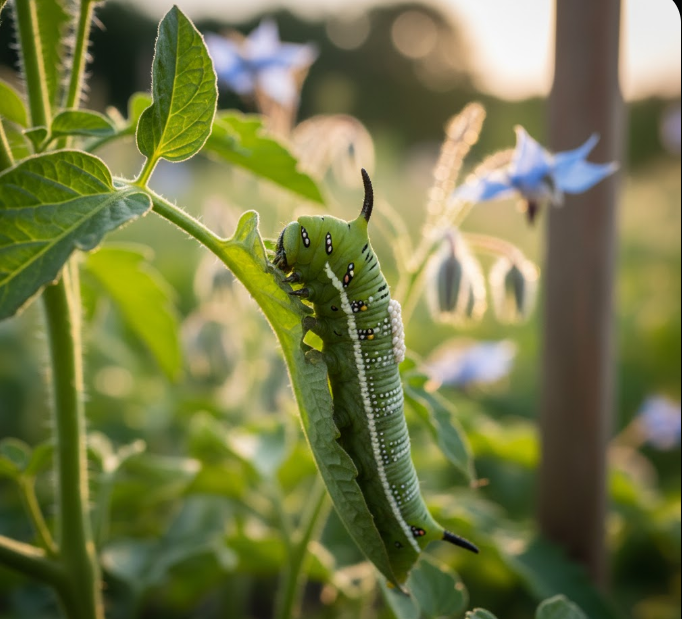
Parsley is another great neighbor for many vegetables because it draws up moisture and nutrients. However, you must be careful with certain combinations. Fennel, for example, is notorious for being a “bad neighbor” and can inhibit the growth of almost everything planted near it. Knowing these nuances is what separates a novice from an expert.
Monitoring and Adjusting Your Garden Ecosystem
Nature is dynamic, and your strategy should be too. I keep a detailed journal of which pairings succeed and which ones fail. Even with companion planting for organic pest control, environmental factors like rainfall and temperature play a role. You must observe your plants daily to catch early signs of infestation. If a certain combination does not work in your specific climate zone, do not be afraid to move things around next season. Flexibility is the hallmark of a master gardener. I have found that what works in a dry summer might not be as effective during a particularly wet spring.
The arrival of certain pests often coincides with specific blooming periods of weeds or native plants. By paying attention to these phenological markers, you can time your companion planting for organic pest control more effectively. For instance, if you know the cabbage moth arrives when the lilacs bloom, you should have your deterrent herbs well-established by then. I use my garden journal to track these patterns over years.
This historical data is more valuable than any generic gardening book. It allows you to tailor your approach to the microclimate of your own backyard. Your garden is a living laboratory, and every season is an opportunity to refine your techniques and deepen your understanding of the natural world.
Designing a Diverse Landscape for Long-Term Resilience
A truly resilient garden is one that does not rely on a single line of defense. I integrate perennial herbs and native wildflowers throughout my vegetable beds to create permanent habitats for beneficial insects. This long-term view of companion planting for organic pest control ensures that your allies are already present when the first pests arrive in the spring. If you only plant annuals, you create a boom-and-bust cycle for predatory insects. By providing year-round shelter in the form of bunch grasses or evergreen herbs like rosemary, you keep the “good bugs” on your property.
I also incorporate birdhouses and bat boxes to encourage larger predators. A single bat can eat thousands of mosquitoes and moths in a single night. This is the ultimate extension of companion planting for organic pest control. You are building a complete food web. When you see a bird pulling a caterpillar off your kale, you know your system is working. It takes time to achieve this level of balance, but the rewards are immense.
You spend less time spraying and more time observing the fascinating bird interactions in your garden. The peace of mind that comes from knowing your food is grown in harmony with nature is incomparable.
Summary of Effective Companion Combinations
The following table summarizes my favorite combinations for maintaining a healthy, pest-free environment. Use this as a starting point for your own garden planning.
| Main Crop | Best Companion | Pest Deterred | Benefit Provided |
| Tomatoes | Basil | Hornworms | Improved Flavor and Vigor |
| Cabbage | Dill | Cabbage Moths | Attracts Beneficial Wasps |
| Cucumbers | Radishes | Cucumber Beetles | Disruptive Scent |
| Potatoes | Horseradish | Potato Beetles | General Disease Resistance |
| Peppers | Geraniums | Japanese Beetles | Effective Trap Crop |
| Lettuce | Chives | Aphids | Masking Scent |
| Carrots | Onions | Carrot Rust Fly | Mutual Pest Protection |
| Strawberries | Borage | Various Larvae | Enhanced Sweetness |
| Corn | Pole Beans | None (Direct) | Nitrogen Enrichment |
Achieving Natural Harmony in Your Harvest
Building a garden that mimics nature requires patience and observation. I have found that moving away from chemical interventions leads to a more resilient landscape. When you embrace companion planting for organic pest control, you foster a cycle of life that supports pollinators and soil microbes.
Your harvest becomes a reflection of a balanced ecosystem rather than a product of industrial inputs. This journey is not about total eradication of pests but about achieving a state of equilibrium where no single species dominates.
Continue experimenting with different pairings to find the perfect rhythm for your unique patch of earth. Every garden has its own personality, and what works for me might need slight adjustments for you. The most important thing is to stay curious and keep learning from the plants themselves. They are excellent teachers if you take the time to listen.
As you watch your garden flourish without the need for harsh chemicals, you will feel a deeper connection to the land and the food you grow.