
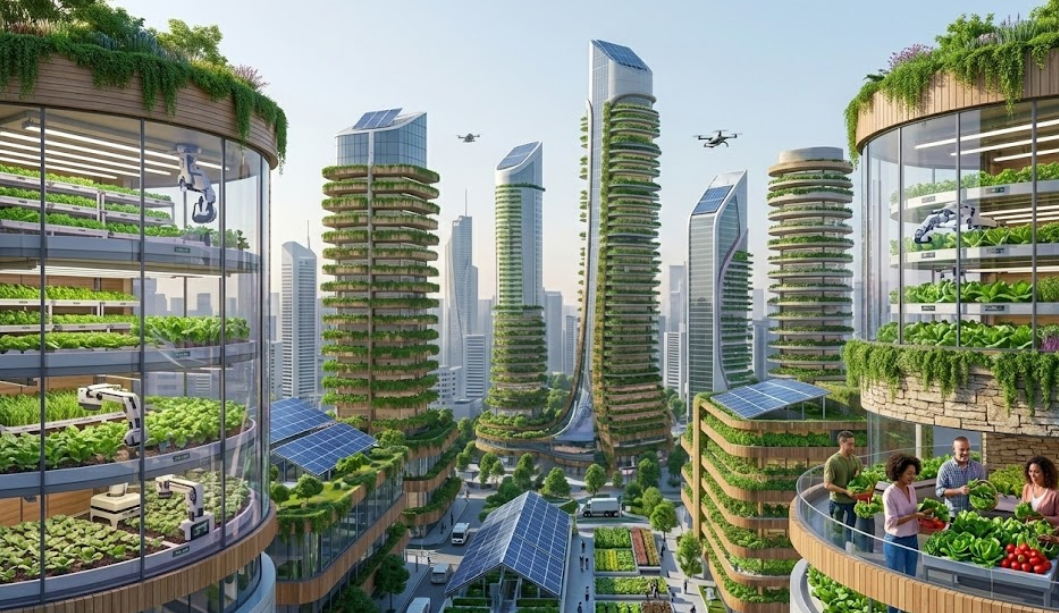

Global food production faces a structural crisis as traditional agriculture occupies nearly 40% of terrestrial land and consumes 70% of freshwater resources. Soil degradation and chemical runoff further complicate the ecological footprint of rural farming. Consequently, sustainable vertical farming presents a technological intervention designed to decouple crop production from land availability. This method utilizes vertical space to stack growing layers, which significantly increases the yield per square foot. By integrating controlled environment agriculture, cities produce a local food supply that remains independent of external climate volatility.
Furthermore, urbanization continues to accelerate, with projections suggesting that two-thirds of the world will live in cities by 2050. This demographic shift necessitates a radical reimagining of the supply chain logistics for perishables. Transporting produce across continents results in high carbon emissions and substantial nutritional loss. Therefore, implementing sustainable vertical farming within metropolitan boundaries ensures that greens reach the consumer within hours of harvest. You can investigate the specific environmental impacts of urban agriculture through federal environmental protection resources.
The resilience of these systems depends on their ability to minimize waste while maximizing output. Unlike conventional fields, indoor facilities operate in a closed-loop manner, capturing and reusing atmospheric moisture. This resource efficiency is vital for regions facing prolonged droughts or restricted access to fertile soil. Furthermore, the absence of traditional pests allows for the cultivation of organic produce without synthetic intervention. The convergence of biology and engineering creates a stable foundation for feeding dense populations.
The Precision of Hydroponics in Sustainable Vertical Farming
Water management represents the most significant advantage of indoor cultivation over traditional methods. Conventional irrigation often results in heavy losses through evaporation and deep drainage into the water table. In contrast, sustainable vertical farming utilizes advanced hydroponic or aeroponic delivery systems to provide nutrients directly to the roots. These methods use up to 95% less water than soil-based counterparts, making them ideal for arid environments. By precisely controlling the mineral balance, growers optimize the growth rate of leafy greens and herbs.
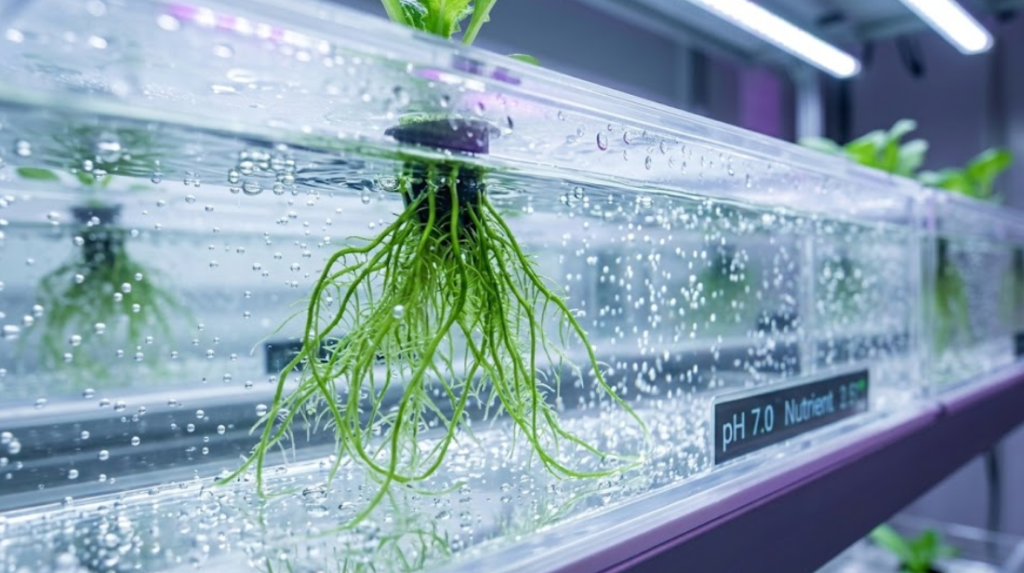
In addition to water savings, hydroponics allows for the complete elimination of soil-borne pathogens. Because the plants grow in a sterile medium or directly in nutrient-rich water, growers avoid the risk of contamination from heavy metals or parasites commonly found in traditional earth. This level of biosecurity ensures that the final product is safer for human consumption. Moreover, many of these indoor techniques draw inspiration from outdoor gardening methods such as organic pest control and companion planting to maintain ecosystem balance without chemicals. As a result, the plants experience less stress and reach maturity much faster than they would in a natural field.
Automation and Data-Driven Agriculture
Automation plays a critical role in maintaining the delicate balance of these aquatic systems. Sensors monitor the electrical conductivity and pH levels of the nutrient solution every second. Consequently, this high-frequency data allows for immediate adjustments, preventing the nutrient deficiencies that often plague outdoor crops. This data-driven agriculture removes the guesswork from farming, ensuring a consistent product quality year-round. You can explore the technical components of hydroponic systems to see how these infrastructures support plant health without soil.
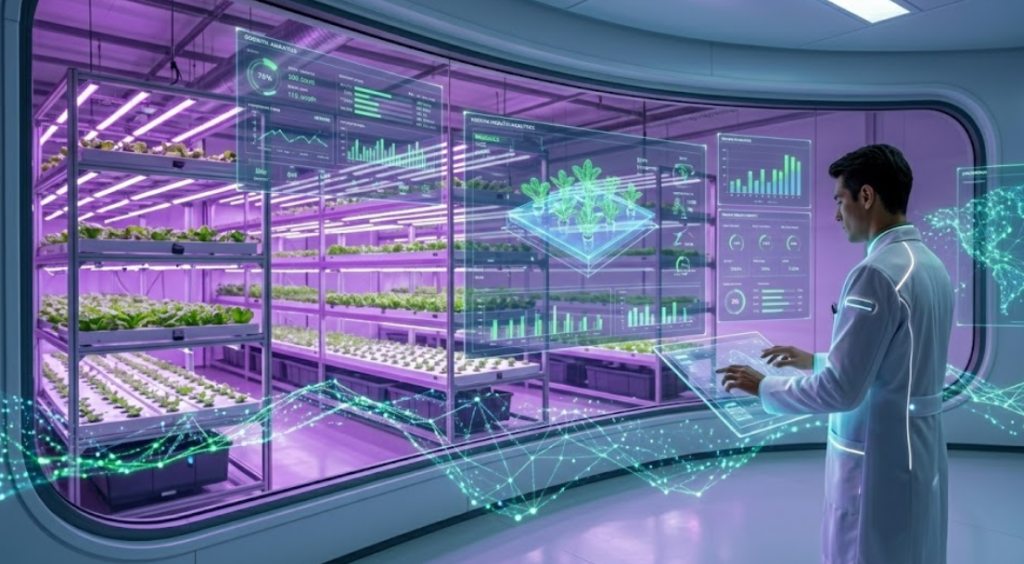
Moreover, the integration of machine learning algorithms allows the farm to learn from previous growth cycles. By analyzing historical data, the system predicts the exact moment a crop reaches peak nutritional density. This precision harvesting reduces waste and ensures that every leaf sold maintains the highest possible quality. Accordingly, the labor required to monitor these systems is shifting from physical toil to technical oversight. Technicians now manage vast arrays of crops through digital interfaces, transforming the image of the modern farmer into that of a systems engineer.
Energy Challenges and the Role of Renewable Power
While water efficiency is a triumph of the industry, energy consumption remains a primary hurdle for widespread adoption. Sustainable vertical farming relies on high-intensity LED lighting to replace natural sunlight. These lights must provide the specific wavelengths necessary for photosynthesis, often requiring significant electrical input. To ensure the model remains truly eco-friendly, facilities must integrate renewable energy sources such as solar or wind power. Without a clean energy grid, the carbon footprint of indoor lighting could offset the gains made in water conservation.
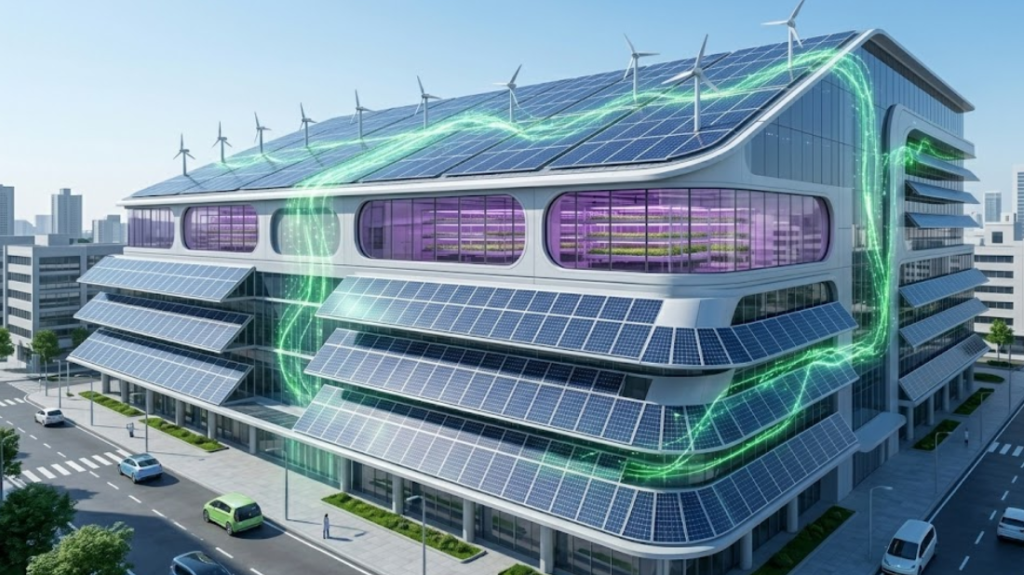
Furthermore, the cost of electricity often dictates the profitability of an indoor farm. Because the lights must run for twelve to sixteen hours a day, even small fluctuations in utility rates impact the bottom line. Therefore, many operators seek to install private microgrids to lock in energy prices and ensure operational stability. The development of more efficient diodes continues to lower the energy threshold required for a successful harvest. As these technologies advance, the reliance on the traditional power grid will continue to diminish.
Thermal Management and Industrial Symbiosis
Thermal management is another energy-intensive aspect of these facilities. Large-scale LED arrays generate heat that engineers must mitigate through complex HVAC systems. Therefore, designers are currently developing energy-recovery ventilation systems to capture this heat and repurpose it for other industrial or residential uses. This industrial symbiosis helps lower the overall operating costs and improves the energy efficiency of the building. You can find detailed reports on decarbonizing the agricultural sector through international energy agency databases.
In addition to heat recovery, some firms locate farms next to power plants or data centers to utilize their waste heat. This synergistic planning allows the farm to maintain the perfect tropical temperature for crops without spending extra on heating. Consequently, the farm becomes a solution for the thermal waste problems of other industries. This level of integration is essential for creating a truly sustainable urban ecosystem. By viewing the city as a collection of interconnected energy flows, we optimize the use of every calorie of heat generated.
Economic Viability of Sustainable Vertical Farming Models
High capital expenditure is the most significant barrier to entry for new agricultural startups. Constructing a fully automated, climate-controlled facility requires millions in investment for sensors, racking, and plumbing. However, sustainable vertical farming offers a unique value proposition by providing a guaranteed year-round harvest. Unlike traditional farmers who may lose an entire season to a frost or a flood, indoor growers produce a predictable volume of food every week. This stability allows for long-term contracts with grocery retailers and institutional buyers.
Moreover, the financial risks associated with climate change make traditional farming less attractive to lenders. In contrast, the controlled environment of a vertical farm provides a bankable asset with predictable returns. Investors increasingly find the automated nature of indoor systems appealing. While the initial costs are high, the lack of crop insurance premiums and the reduction in transport costs provide a strong competitive edge. Over a ten-year period, a well-managed indoor facility often outperforms a traditional farm of similar output.
Robotics and Labor Optimization
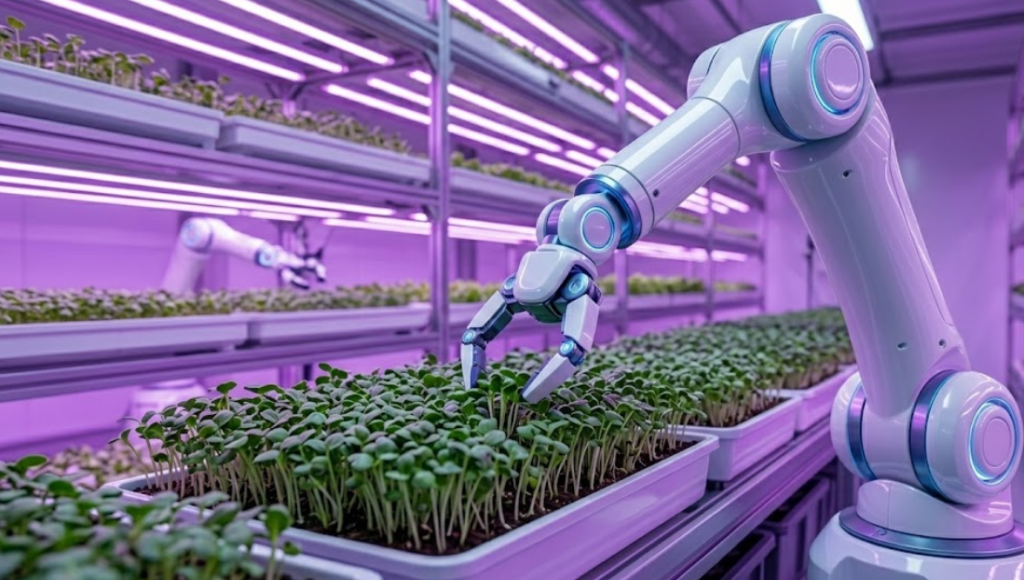
Labor costs also decrease through the implementation of robotics. Automated systems now handle seeding, transplanting, and harvesting with minimal human intervention. Accordingly, this shift toward robotic agriculture reduces the overhead associated with manual labor and minimizes the risk of human-introduced contaminants. While the initial technology is expensive, the long-term reduction in operational costs provides a pathway to profitability. Review the latest market trends in agtech investment to understand how venture capital flows into the indoor farming sector.
In addition, location strategy remains a key component of the business model. By utilizing repurposed urban infrastructure, such as old shipping containers or abandoned factories, developers reduce land costs. These locations are often closer to the end consumer, allowing for a hyper-local marketing strategy. Consumers increasingly show a willingness to pay a premium for locally grown produce that lacks pesticides. This shift in consumer behavior supports the premium pricing required to sustain these high-tech operations in their early stages.
Enhancing Global Food Security Through Sustainable Vertical Farming
Geopolitical instability and climate-related disasters frequently disrupt the traditional shipping routes that cities rely on for sustenance. Thus, sustainable vertical farming acts as a strategic reserve by creating localized production hubs that remain immune to global trade shocks. This decentralization of the food supply is essential for building urban resilience in an era of uncertainty. By producing food exactly where residents consume it, cities reduce their vulnerability to fuel price spikes and logistics failures.
Furthermore, the ability to grow food in harsh environments means that nations with little arable land achieve food sovereignty. Countries in the Middle East, for instance, invest heavily in indoor farming to reduce their reliance on expensive imports. This shift changes the power dynamics of the global food trade, allowing every nation to produce its own fresh produce. Consequently, the risk of food being used as a geopolitical lever significantly drops. Indoor farming is not just an agricultural advancement; it is a tool for international stability.
Addressing Food Deserts and Nutrition
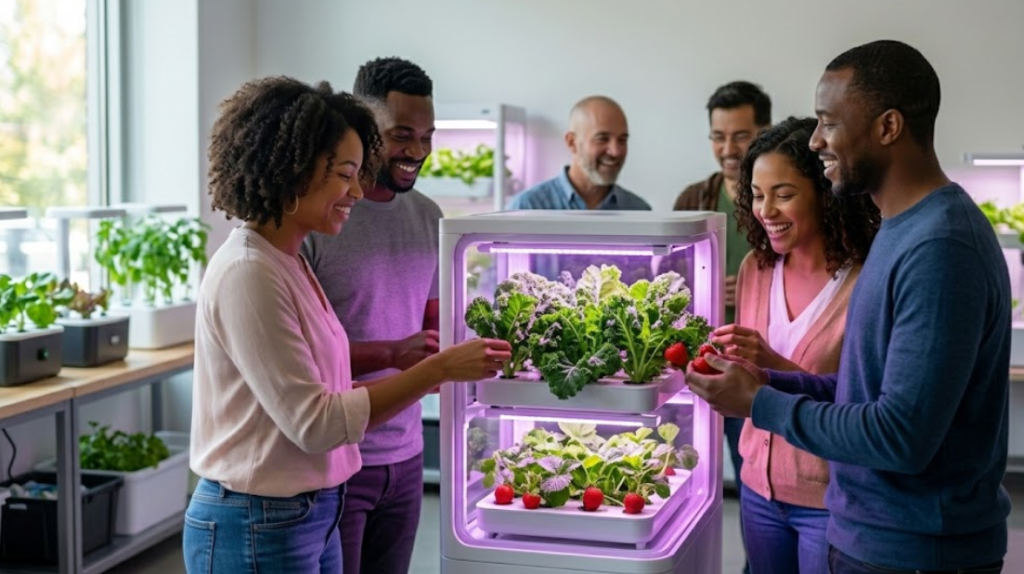
These modular systems can effectively address the problem of food deserts. Small-scale vertical farms integrate well into community centers, schools, and even residential basements. This provides a constant source of nutritional security for underserved populations. Access to high-quality vitamins and minerals should not depend on a zip code. To understand more about the global fight against hunger, you can consult the world food program’s strategic initiatives.
In addition to accessibility, the quality of the produce is significantly higher than that of items shipped from far away. Most growers breed supermarket produce for durability during transport rather than flavor or nutrition. In a vertical farm, the focus remains on sensory quality and mineral content. Because the consumer eats the food within hours of harvest, the vitamins do not have time to degrade. This makes indoor-grown vegetables a superior choice for health-conscious consumers and medical nutrition programs alike.
Scaling the Impact of Sustainable Vertical Farming Globally
The current market contains mostly leafy greens like kale and spinach due to their fast growth cycles. However, for sustainable vertical farming to truly revolutionize the food system, it must expand into calorie-dense crops. Researchers currently work on dwarf varieties of wheat and rice that thrive in controlled environments. Scaling these systems requires a collaborative effort between geneticists and engineers to create optimized crop varieties for indoor growth.
Moreover, the expansion into berries and vine crops like tomatoes and cucumbers is already moving forward. These high-value crops benefit immensely from the lack of seasonal fluctuations, providing consumers with summer fruit even in the depths of winter. As the cost of LED technology continues to fall, the range of viable crops will expand to include almost every vegetable in the human diet. This diversification of output marks the next major milestone for the industry. By 2040, a majority of fresh urban produce will likely come from indoor sources.
Circular Economy and Industrial Ecology
Integration with other urban systems offers a path toward a truly circular economy. Plants require carbon dioxide to grow; therefore, by piping in CO2 emissions from nearby industrial plants, vertical farms actually act as carbon sinks. Similarly, technicians can filter and use treated greywater in the hydroponic loops. This level of industrial ecology transforms the farm from an isolated unit into a vital organ of the city’s metabolism. Explore the principles of circular design to see how these systems fit into a broader waste-free world.
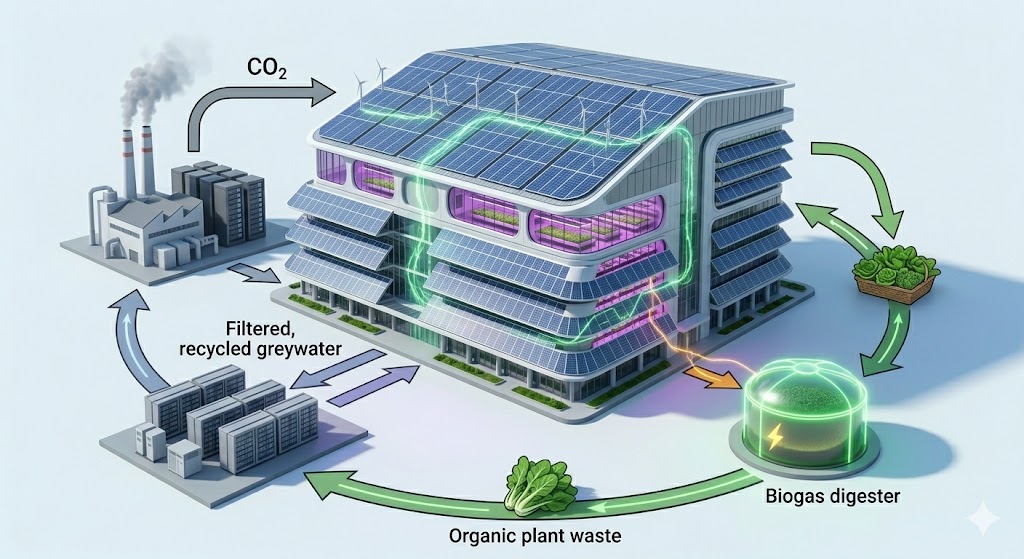
Furthermore, anaerobic digesters can process the organic waste from these farms to create biogas. This gas then generates electricity for the lights, creating a self-sustaining loop. This integrated approach ensures that no resource goes to waste and every byproduct becomes an input for another system. Consequently, the urban farm becomes a model for the cities of the future. The transition toward this regenerative model is necessary to prevent the total depletion of our planet’s natural resources.
The Role of Artificial Intelligence in Optimization
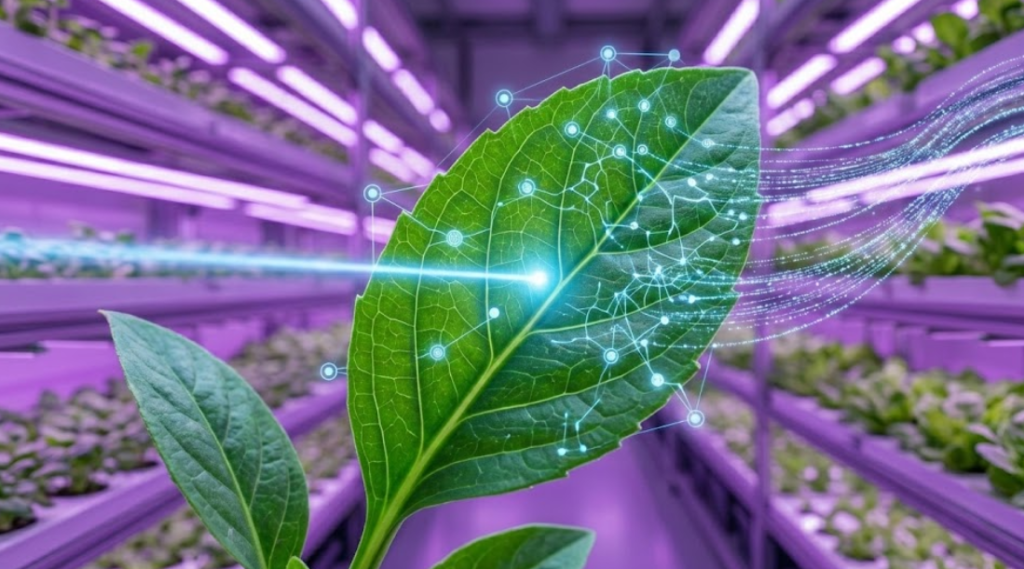
As we look toward the future, the convergence of AI and biotechnology will continue to drive down costs. Artificial intelligence analyzes millions of data points to create the perfect growing conditions for any plant species. This autonomous farming will eventually reach a point where producers grow fresh food at a lower cost than traditional field farmers. The transition may take decades, but the foundation for a food-secure future is being built today through these vertical innovations.
Moreover, AI helps manage the complex logistics of distributing food within a city. By predicting demand patterns, the farm adjusts its planting schedule to ensure that it never produces more than the market can absorb. This eliminates the food waste that typically occurs at the wholesale level. Accordingly, the efficiency of the entire system increases, making healthy food more affordable for everyone. The combination of high-tech growing and smart distribution represents the ultimate goal of the smart city movement.
| Metric | Traditional Agriculture | Sustainable Vertical Farming |
| Water Usage | High (100%) | Very Low (5-10%) |
| Land Requirement | Extensive | Minimal |
| Pesticide Use | Common | Negligible |
| Growth Cycle | Seasonal | Continuous |
| Weather Risk | High | Zero |
| Transport Distance | Long (1000+ miles) | Short (<50 miles) |
| Yield Predictability | Low | High |
| Nutritional Density | Declines over time | Peak at harvest |
A Comprehensive Summary of Urban Agricultural Progress
The journey toward a fully sustainable food system is complex and requires the integration of diverse technologies. Sustainable vertical farming is not a silver bullet, but it is an indispensable tool in our environmental arsenal. By reducing land use, conserving water, and eliminating pesticides, we protect the remaining wilderness while feeding the urban masses. This shift represents a move away from the exploitative practices of the past toward a more regenerative future. The commitment to innovation today will define the health and stability of our cities for generations to come.
As the global temperature continues to rise, the security of our food will depend on our ability to control the environment. The farms of the future will not occupy acres; they will occupy floors. By investing in green infrastructure now, we build a buffer against the challenges of the 21st century. The transformation of our cities into self-sustaining ecosystems is the grand challenge of our time. Through the lens of sustainable vertical farming, we see a path toward a brighter, healthier world.
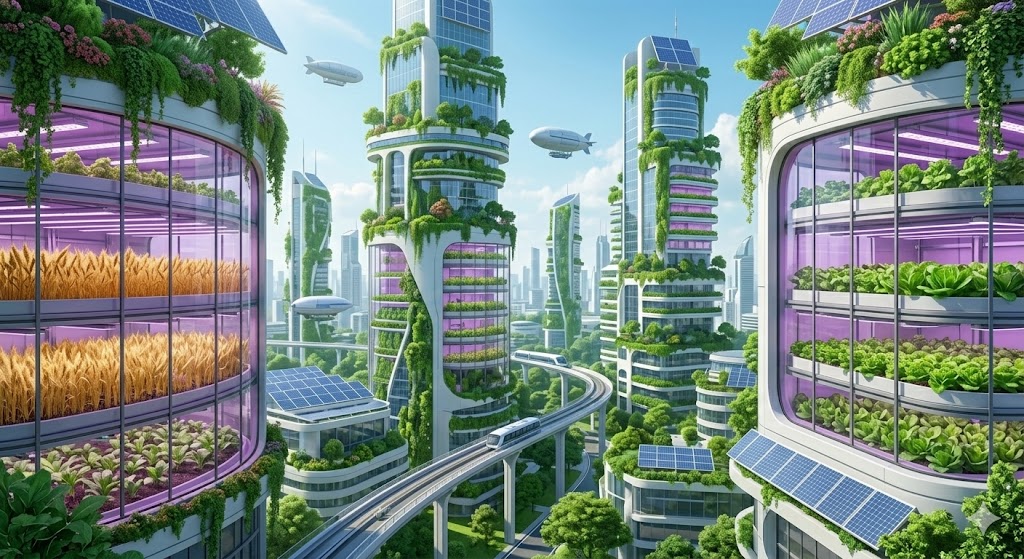
The evolution of our food systems depends on our willingness to embrace change. As we refine the economics and energy profiles of these facilities, they will become more common in our skylines. The goal remains to create a world where fresh nutrition is a universal right, delivered through a system that respects the limits of our planet. Supporting these advancements represents a vote for a cleaner, more resilient, and more equitable world. Let us continue to push the boundaries of what is possible in the pursuit of a truly sustainable future.