
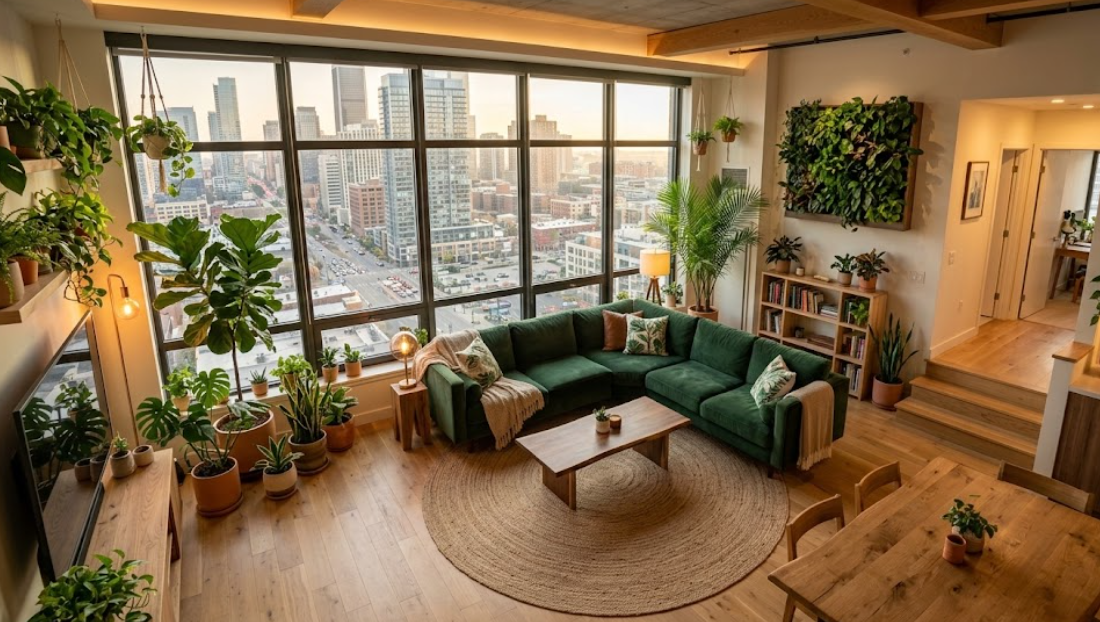

I remember the first time I moved into a high-rise downtown. The view consisted of steel, glass, and grey pavement. Within months, I felt sluggish and disconnected. That experience sparked my obsession with Biophilic Interior Design, a method that prioritizes the innate human connection to nature. Bringing the outdoors in is more than a trend; it is a necessity for mental clarity and physical health. Urban living often strips away our access to greenery. You can counteract this by focusing on organic shapes and natural light optimization. My journey into this field taught me that a single potted plant is not enough. You must create an ecosystem within your living space.
To succeed, you must think beyond aesthetics. You must consider the psychological impact of your environment. Every texture, scent, and sound contributes to a holistic wellness experience. When I began my transformation, I focused on small, impactful changes. I replaced cold, fluorescent bulbs with warm, full-spectrum lighting. I introduced botanical elements into every room. These adjustments might seem minor, but their cumulative effect is profound. Your home should not be a box that separates you from the world. It should be a bridge that connects you to the rhythms of the earth.
This philosophy rests on the concept of biophilia, a term popularized by Edward O. Wilson. It suggests that we possess an instinctive bond with other living systems. In an urban context, this bond is often broken. We live in boxes with recirculated air and artificial light. By intentionally implementing Biophilic Interior Design, we begin to restore that connection. It is about creating a sensory-rich environment that mirrors the complexity of the natural world.
This article explores the nuanced layers of this practice, providing you with the tools to reclaim your space and your well-being.
The Core Principles of Biophilic Interior Design
To understand the depth of this practice, we must look at the evolutionary psychology behind it. Humans evolved in nature, yet we spend ninety percent of our time indoors. This disconnect creates a phenomenon known as nature deficit disorder. When you implement Biophilic Interior Design, you are not just decorating; you are healing that rift. I started by analyzing the visual connection to nature in my own living room. It is vital to have a direct line of sight to living systems. This might mean rearranging your furniture to face a window or a cluster of plants.
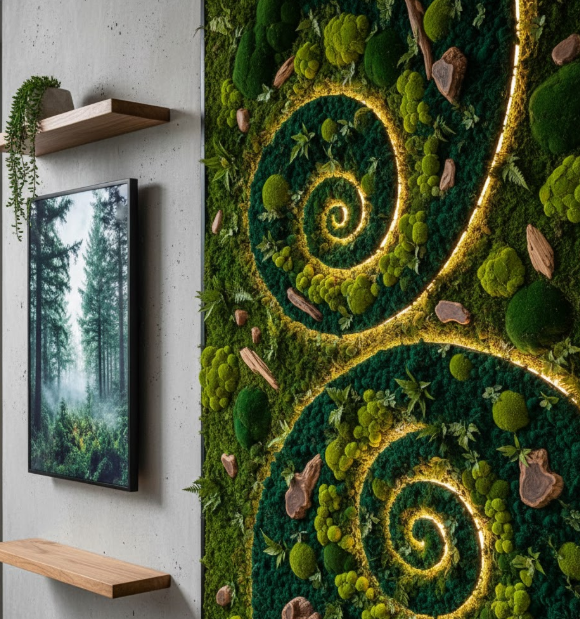
If your window overlooks a brick wall, you can simulate this connection. I installed a high-definition digital art frame that cycles through forest landscapes. However, nothing beats the real thing. I suggest placing modular moss wall panels on surfaces that receive little light. These preserved greenery installations require no water but provide the same fractal patterns found in deep woods. These patterns signal to our brains that we are in a safe, resource-rich environment. They lower stress levels and improve cognitive function.
The principles also include non-visual connections. Think about the sound of wind or the smell of rain. In an apartment, you can replicate this through olfactory stimulation. I use high-end cold air diffusers with essential oils like cedarwood and petrichor. This creates a layered atmosphere that engages all the senses. By diversifying the ways you experience nature at home, you deepen the impact of your Biophilic Interior Design efforts. It becomes a sanctuary that protects you from the sensory overload of the city.
Maximizing Natural Light and Circadian Rhythms
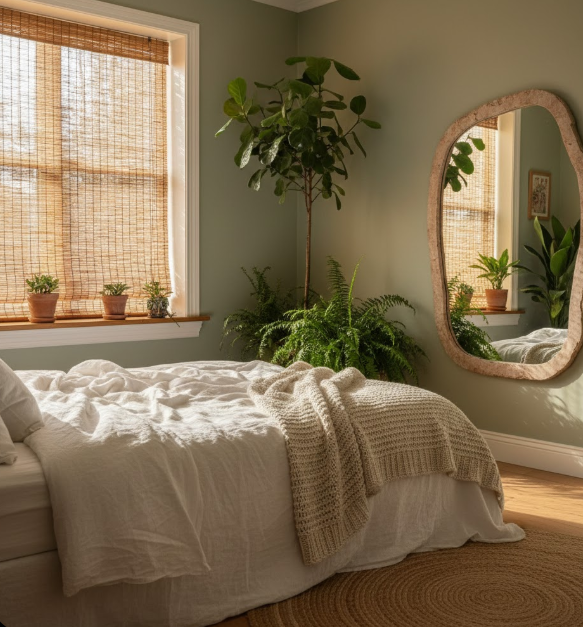
Light is the most critical element of Biophilic Interior Design. Our bodies rely on the sun to regulate the production of cortisol and melatonin. In my early days of designing, I made the mistake of using heavy, dark curtains. I quickly realized that diffused sunlight is much more beneficial. I switched to woven wood shades that allow dappled light to filter through, mimicking the effect of sunlight through a tree canopy. This creates a sense of temporal connection, as you remain aware of the passing day.
This dynamic lighting approach is essential for urban dwellers. If you lack large windows, you can use full-spectrum light therapy lamps to mimic the sun’s arc. I also integrated reflective surfaces like hand-polished stone mirrors to bounce light into the darker corners of my apartment. By strategically placing these mirrors opposite windows, you double the visual greenery reflected from your indoor plants. This creates a sense of spatial abundance and openness. Your brain perceives the room as larger and more welcoming.
Consider the orientation of your rooms. South-facing windows provide the most intense illumination, while north-facing windows offer a soft, consistent glow. I use solar-tracking smart blinds to automatically adjust throughout the day. This ensures my plants get enough light while preventing my living space from overheating. Maintaining a natural light balance is key to a comfortable home. When you align your indoor environment with the sun, you support your health and your Biophilic Interior Design goals.
Selecting Natural Materials and Organic Textures
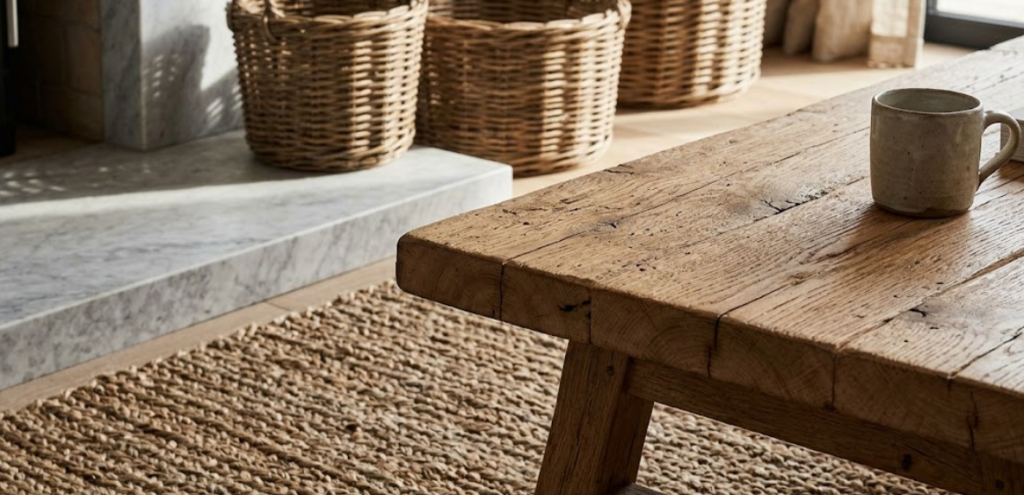
Texture plays a massive role in how we perceive a room. I replaced my synthetic rug with a jute floor covering and traded plastic bins for hand-woven willow baskets. Using sustainable wood furniture creates a grounding effect that cold, manufactured materials cannot replicate. When you touch a reclaimed wood table, you feel a connection to the earth. This tactile experience is a core pillar of Biophilic Interior Design. It provides a sense of material authenticity that is often missing in modern homes.
I recommend searching for FSC-certified timber furniture to ensure your design choices remain environmentally responsible. Beyond wood, consider natural stone finishes. I added a honed marble backsplash in my kitchen. The irregular veining of the stone provides a non-rhythmic sensory stimuli that keeps our eyes engaged. In a world of flat, plastic surfaces, these tactile natural elements provide a necessary sensory variety. You should strive for a mix of hard and soft surfaces to create a balanced, nature-inspired home.
Think about the longevity of your choices. Bio-based materials often age more gracefully than synthetics. A leather chair or a wool rug develops a patina over time, telling a story of use and life. I often source reclaimed terracotta tiles for entryways. They are durable and offer a cooling effect underfoot. By choosing raw materials, you reinforce the Biophilic Interior Design philosophy of bringing the outside in. Every surface becomes an opportunity to connect with the physical world.
Integrating Indoor Gardens and Vertical Greenery
Vertical space is your best friend in a small apartment. I designed a living wall system using modular wall planters. This allowed me to grow herbs and ferns without sacrificing floor space. A lush indoor garden serves as a focal point that cleans the air and reduces noise. You should group plants with similar needs to make watering easier. This botanical grouping also creates a more significant visual impact, making the greenery feel like a miniature landscape rather than a collection of pots.
For those with busy schedules, self-watering plant pots ensure your greenery thrives even when you are away. This practical approach makes Biophilic Interior Design sustainable for the long term. I also love using climbing ivy trellises to create natural room dividers. These botanical partitions offer privacy while maintaining an open, airy feel. They soften the architectural lines of a standard apartment, making the space feel more like a garden pavilion than a concrete box. This spatial fluidity is key to a relaxing environment.
The choice of plants matters. I prioritize air-purifying species like Sansevieria and Epipremnum aureum. These plants are incredibly resilient and thrive in typical indoor conditions. For a more dramatic aesthetic, I use large-leaf tropical plants like Monstera Deliciosa. Their massive green leaves create a sense of shelter and abundance. By layering different heights and textures of foliage, you create a complex ecosystem that feels alive. This is the heart of Biophilic Interior Design in an urban setting.
The Importance of Water Features and Soundscapes
Soundscapes are often overlooked in home styling. I installed a small, quiet recirculating stone fountain in my study. The sound of trickling water masks city noise and lowers heart rates. This sensory layer completes the Biophilic Interior Design experience. If a physical fountain is too much maintenance, consider natural acoustic panels made of cork. These panels absorb harsh sounds while adding a warm texture to your walls.
These materials absorb echoes while adding a beautiful, verdant aesthetic to your walls. I also use a high-fidelity sound machine that plays recorded sounds from actual ecosystems. Listening to birdsong or a gentle breeze helps shift the brain into a state of relaxed alertness. This is particularly helpful for those working from home in loud urban environments. By addressing the ears as well as the eyes, your holistic interior design becomes a true sanctuary. You are creating a multi-sensory environment that supports your mental well-being.
Water also provides a visual benefit. The way light reflects off a moving surface creates dynamic shadows on the walls. I often place a shallow ceramic bowl of water on my coffee table, sometimes adding floating candles or flower petals. This simple addition introduces thermal variability and movement. It is these small, thoughtful details that elevate your Biophilic Interior Design from a concept to a lived experience. Your home should engage all your senses to be truly restorative.
Implementing Fractal Patterns and Nature Motifs
Nature is full of patterns called fractals. These are repeating shapes that our brains find incredibly soothing. I integrated fractal-patterned textiles through botanical print pillows and leaf-motif wallpapers. Avoid sharp, aggressive angles when possible. Instead, opt for curved furniture designs that mimic the flow of a river or the shape of a stone. These biomorphic forms are more comfortable and visually pleasing than rigid, geometric shapes.
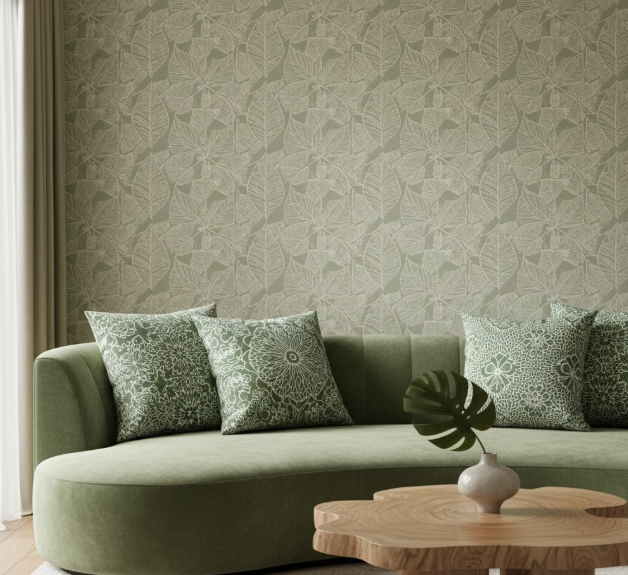
Softening the edges of your home aligns with the principles of Biophilic Interior Design, making the environment feel less clinical. I found that a round velvet sofa changed the entire energy of my living room. It encourages a more natural flow of movement throughout the space. We often forget that straight lines are rare in nature. By introducing organic silhouettes, we make our homes feel more intuitive and welcoming. This design harmony reduces subconscious tension and makes your space feel truly restorative.
Look for patterns in your flooring and walls. A herringbone wood floor mimics the structure of leaves or fish scales. Even the grain in a piece of marble provides a natural geometry that captivates the eye. By intentionally selecting items that exhibit these organic repetitions, you create a space that feels coherent and calm. This is a subtle but powerful aspect of Biophilic Interior Design. It taps into our primal preferences for environments that feel structured yet diverse.
Using Earthy Colors and Mineral Pigments
Color influences your mood instantly. In my own home, I moved away from sterile whites toward earthy ochre, sage green, and terracotta hues. These colors reflect the natural world and reduce visual stress. If you want to create a calming sanctuary, start with muted forest tones. I used organic mineral paints to give my walls a soft, breathable finish. These natural pigments have a unique way of reflecting light that synthetic colors cannot match.
This choice avoids the off-gassing associated with standard chemical paints, furthering the health goals of your Biophilic Interior Design project. You can also incorporate natural pigments through hand-dyed linen throws. These textiles carry a depth of color that synthetic dyes lack. When the sun hits a clay-toned wall, the warmth it radiates is far more inviting than a cold, grey surface. This chromatic connection to the earth is a simple yet powerful way to ground your space. It makes your home feel rooted and timeless.
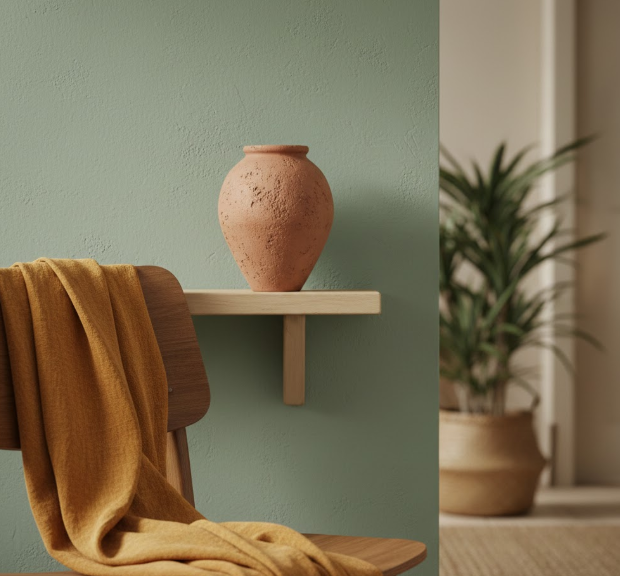
Think about the psychological associations of each color. Blue represents water and sky, offering a sense of vastness and peace. Green symbolizes growth and vitality. By using a biophilic color palette, you can influence how you feel in different areas of your home. I use deep, soothing indigos in the bedroom and vibrant, sun-drenched yellows in the kitchen. This tonal variety keeps your interior design dynamic and aligned with the shifts of nature. It is about creating a mood that supports your daily activities.
Creating Thermal and Airflow Variability
In nature, the air is rarely stagnant. Most apartments suffer from sick building syndrome due to poor ventilation. I improved my Biophilic Interior Design by adding high-efficiency ceiling fans with a breeze setting. This creates subtle air movements that mimic a natural wind. It prevents the air from feeling stale and improves your overall comfort. You can also open windows to create a cross-breeze, further connecting your indoor space to the outdoor weather.
Furthermore, I use essential oil diffusers with scents like cedarwood and pine. This olfactory stimulation reinforces the feeling of being in a forest. It is also wise to incorporate thermal variety. I love having a natural slate hearth or even just stones near a window that catch the sun’s heat. Walking barefoot on different temperatures and textures provides sensory feedback that keeps us present and connected to our environment. This haptic interaction is vital for a truly immersive experience.
Consider the humidity levels in your home. Plants naturally transpire, adding moisture to the air. In winter, when city heating makes interiors dry, I use ceramic radiator humidifiers to maintain a healthy balance. This climate control is a functional part of Biophilic Interior Design. It ensures that your home is not just a visual representation of nature, but a space that feels like it too. By managing the invisible elements of your environment, you create a more resilient and comfortable living space.
| Element | Material | Biophilic Benefit | Recommended Room |
| Flooring | Cork or Jute | Softness and sound insulation | Home Office |
| Walls | Mineral Paint or Moss | Breathability and visual depth | Living Room |
| Furniture | Reclaimed Oak | Warmth and tactile history | Dining Area |
| Accents | Terracotta or Stone | Earthy connection and cooling | Entryway |
| Textiles | Linen or Hemp | Moisture regulation and comfort | Bedroom |
| Windows | Bamboo or Silk | Light diffusion and movement | Studio |
Developing a Sustainable Design Mindset
Ultimately, Biophilic Interior Design is about more than just looks; it is about ethics. I prioritize vintage and upcycled furniture to reduce waste. Every piece of reclaimed wood has a story and adds character to your home. By choosing biodegradable materials, you ensure that your design does not harm the very nature it celebrates. You are creating a circular home ecosystem that respects natural resources.
I often visit local artisanal woodworkers to source unique items. This supports the local economy and reduces the carbon footprint of shipping. A conscious interior design approach feels better because you know you are contributing to a healthier planet. It turns your home into a living testament to environmental stewardship. When your furniture is made from responsibly sourced timber, you can feel proud of your space. This ethical alignment adds another layer of peace to your home.
Think about the lifecycle of every item you bring inside. Is it made to last? Can it be repaired? I prefer solid brass hardware because it lasts centuries and develops a beautiful, natural tarnish. This focus on quality over quantity is a core part of my Biophilic Interior Design strategy. It leads to a more curated, meaningful home environment. By rejecting the culture of fast furniture, you create a space that is both beautiful and morally sound.
Fostering a Healthier Home Environment
Your living space should recharge you. By focusing on sensory design and botanical integration, you create a home that supports your well-being. Every step you take toward a nature-focused interior is a step toward a calmer, more inspired life. When you wake up in a room filled with natural textures and the smell of fresh earth, your entire outlook changes. You feel more resilient and ready to face the challenges of urban life.
I have found that my productivity increased significantly after I optimized my home office greenery. I used desk-mounted planters to keep nature within my immediate workspace. This micro-biophilic approach ensures that even during a busy workday, I have a moment of visual relief. It reduces eye strain and mental fatigue, allowing for a more harmonious work-life balance. Your environment is a tool for performance optimization as much as it is a place for rest.
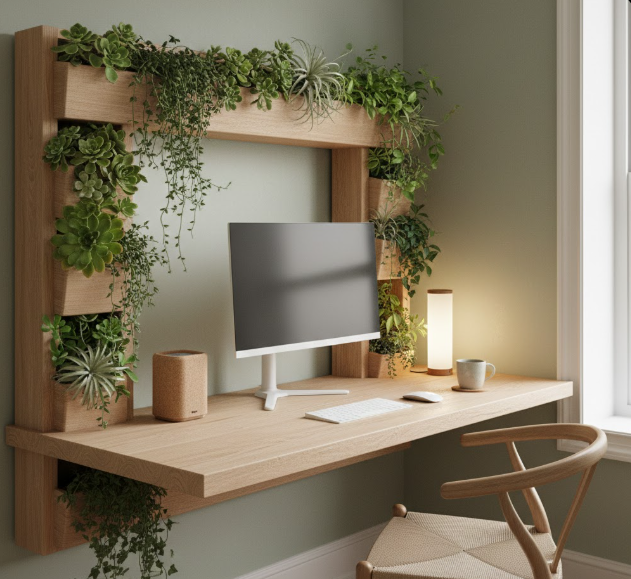
Consider the long-term health benefits. Studies show that nature-integrated spaces lower blood pressure and improve immune function. By investing in Biophilic Interior Design, you are investing in your longevity. I treat my home like a wellness retreat, where every corner is designed to soothe the nervous system. From the soft wool rugs to the natural light filters, every choice serves a purpose. It is about creating a life that feels as good as it looks.
Practical Steps for your Green Sanctuary
Transforming your home into a natural retreat requires patience. You do not need to renovate everything at once. Start with light, add a few plants, and slowly introduce raw materials. Your apartment will eventually become a masterpiece of Biophilic Interior Design. I recommend keeping a design journal to track how different elements affect your mood. This reflective practice helps you understand what truly makes you feel at home.
Over time, you will notice which natural patterns or colors resonate with you most. This personalized biophilia ensures your home is a true reflection of your specific needs. Whether it is a single hanging fern or a full indoor jungle, the goal is to feel at peace. Embrace the process and enjoy the journey of bringing life back into your living space. You are creating a living sanctuary that will serve you for years to come.
Seek out inspiration in the world around you. Visit botanical gardens or go for a hike and notice the layering of foliage and the way light hits the water. Bring these observations back to your Biophilic Interior Design projects. I often take photos of natural rock formations to help me choose my color palettes. By staying curious and observant, you will find endless ways to refresh your home. It is a creative endeavor that grows alongside you.
Nurturing your Inner Wild
Designing with nature transforms more than your walls. It alters your daily perspective. As you integrate these elements, you will find that your urban apartment feels less like a cage and more like a refuge. Focus on the light. Prioritize the air. Let the textures of the earth guide your choices. This instinctive design approach will lead you to a more balanced and joyful existence.
The journey toward a nature-filled home is an ongoing one. Plants grow, seasons change, and your needs will evolve. By remaining open to the organic transitions of your space, you create a home that is truly alive. Biophilic Interior Design is not a static set of rules; it is a living philosophy. Enjoy the growth, both in your garden and in yourself. Your home is now a partner in your well-being.
As you look around your finished space, notice the quiet. The city still hums outside, but here, you are protected by living systems and natural harmony. You have successfully bridged the gap between the urban and the wild. This is the ultimate goal of Biophilic Interior Design. It is a testament to the fact that no matter where we live, we are always part of the natural world.